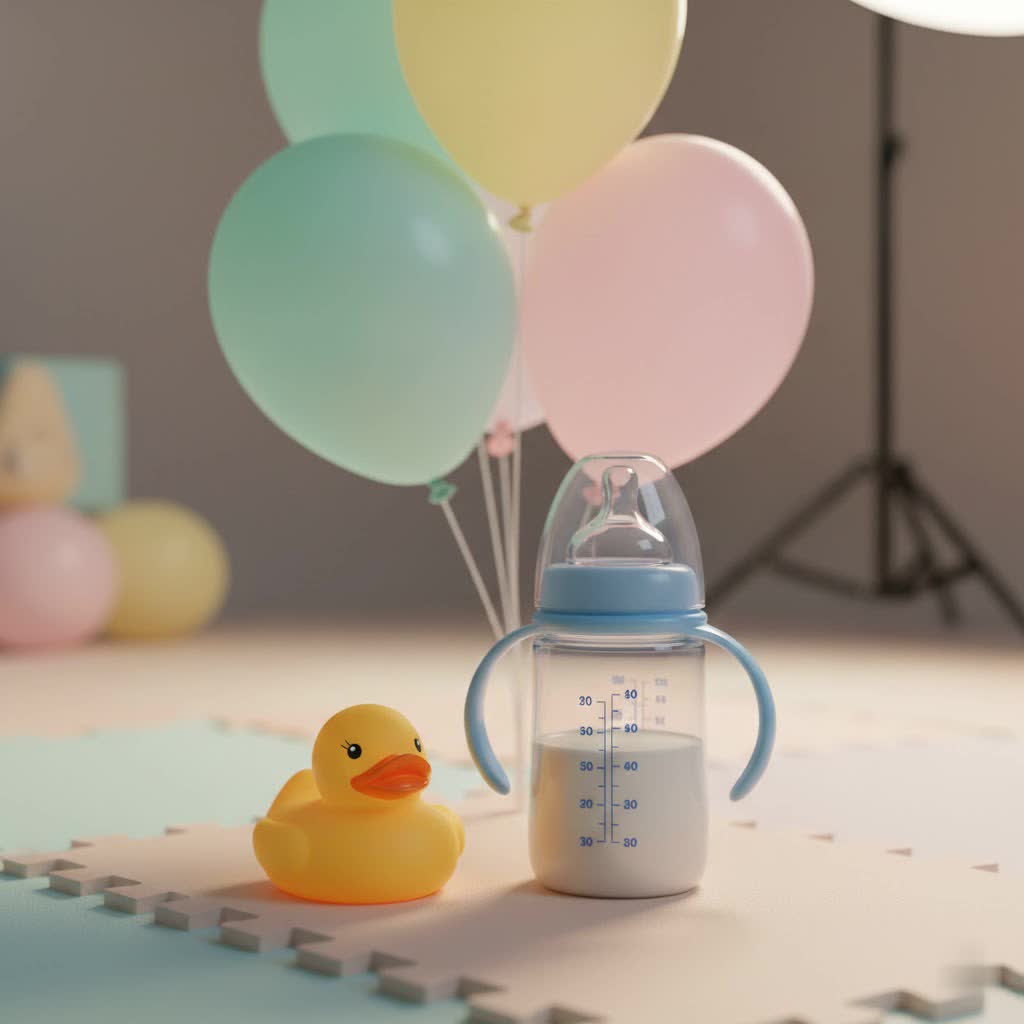
Choosing the right baby bottle is a pivotal decision for any parent, impacting everything from feeding comfort to digestive well-being. With countless options on the market, finding the perfect fit can feel overwhelming. Philips Avent, a globally recognized brand in baby care, offers a diverse range of bottles designed to cater to various feeding needs, from supporting breastfeeding transitions to alleviating colic symptoms.
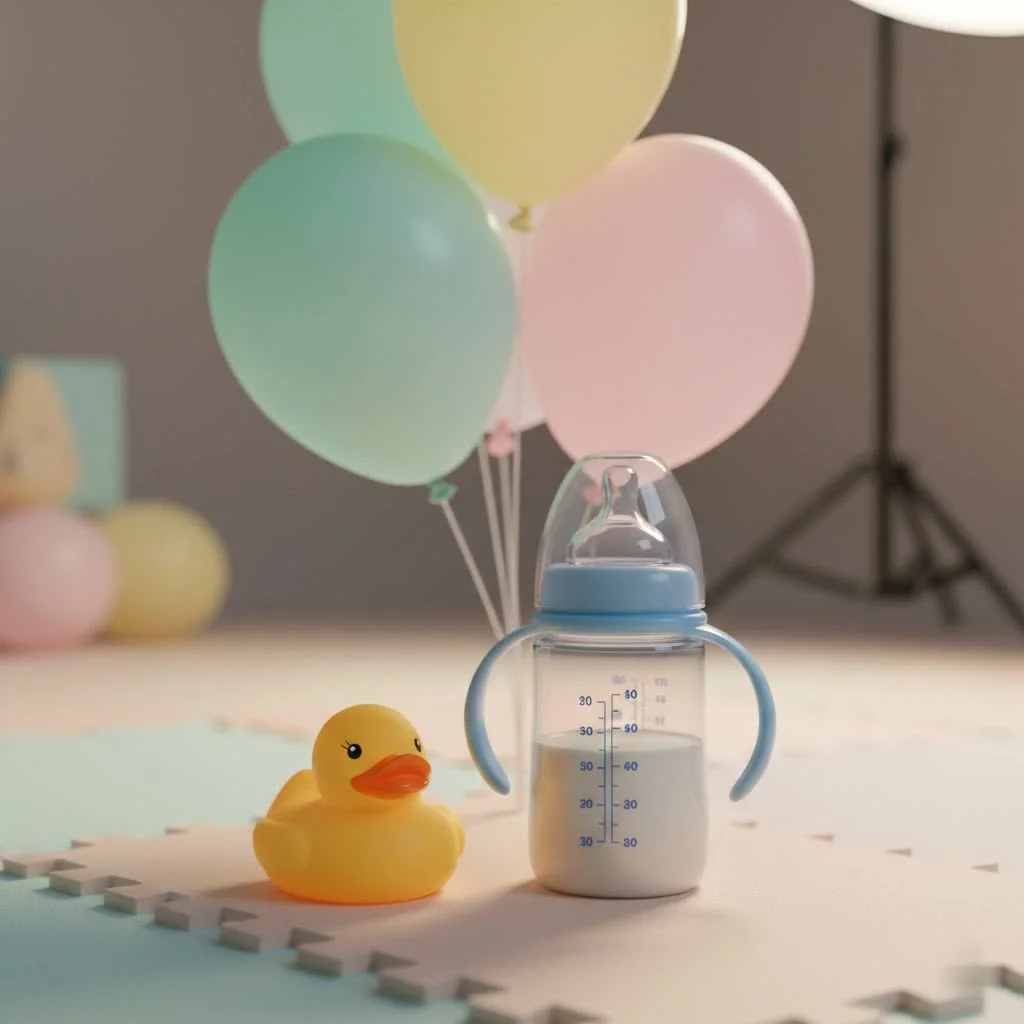
This comprehensive guide will navigate you through the world of Philips Avent baby bottles, exploring their distinct types, materials, and features. Our goal is to empower you with the knowledge needed to select the ideal bottle that fosters your baby’s healthy development and makes feeding a joyful experience for both of you. For see our baby feeding recommendations on this site.
Exploring the Philips Avent Bottle Ranges
Philips Avent primarily offers two main bottle lines: the Natural Response and the Anti-colic (formerly Classic/Classic+). Each is engineered with specific features to address different feeding challenges and preferences.
Philips Avent Natural Response Bottles
The Philips Avent Natural Response bottle is meticulously designed to mimic the natural rhythm of breastfeeding, making it an excellent choice for parents who are combining breast and bottle feeding. Its innovative nipple releases milk only when your baby actively drinks, similar to how they would at the breast. This encourages babies to use their natural sucking, swallowing, and breathing patterns, supporting an easier transition between breast and bottle. The nipple is wide, soft, and breast-shaped with a flexible tip, enhancing comfort and promoting a natural latch.
Many Natural Response bottles also come with an optional AirFree vent, which is engineered to keep air away from your baby’s tummy. This feature promotes upright feeding and helps reduce common feeding issues such as gas, colic, and reflux.
Philips Avent Anti-colic Bottles
For babies prone to fussiness, gas, or reflux, the Philips Avent Anti-colic bottle line is specifically engineered to provide relief. These bottles feature a unique anti-colic valve system that is integrated into the nipple or an AirFree vent. This system works by diverting air away from your baby’s tummy, which significantly reduces air intake during feeding. Fewer air bubbles mean less discomfort, leading to a more settled and comfortable feeding experience for your little one. The Anti-colic range focuses purely on mitigating colic symptoms, offering a straightforward solution for sensitive tummies.
Understanding Bottle Materials
Philips Avent offers bottles in various materials, each with its own advantages and considerations for safety and practicality.
Plastic Bottles
Philips Avent plastic bottles are a popular choice due to their lightweight and shatterproof nature, making them ideal for everyday use and travel. They are always BPA-free, aligning with safety standards for baby products. The brand has also introduced advanced plastic formulations, such as Tritan EX501, which are designed to be free from all bisphenols (not just BPA) and phthalates, and to minimize microplastic shedding during normal use. While convenient, it’s generally recommended to replace plastic bottles every 4-6 months, or sooner if they show signs of wear, such as scratches or discoloration.
Glass Bottles
|
Our Picks for the Best Baby Bottle in 2026
As an Amazon Associate I earn from qualifying purchases.
|
||
| Num | Product | Action |
|---|---|---|
| 1 | Philips Avent Natural Glass Baby Bottles with Natural Response Nipples (Medium Flow, Flow 3), 8oz, 4-Pack, SCY913/04 |

|
| 2 | Dr. Brown's Natural Flow Anti-Colic Options+ Narrow Baby Bottle, 4 oz/120 mL, with Level 1 Slow Flow Nipple, 0m+, 4 Pack |
|
| 3 | Philips Avent Natural Baby Bottles with Natural Response Nipples (Medium Flow, Flow 3), 9oz, 4-Pack, SCY903/04 |
|
| 4 | Philips Avent Natural Baby Bottles with Natural Response Nipples (Slow Flow, Flow 2), 4oz, 4-Pack, SCY900/04 |
|
| 5 | Dr. Brown's Natural Flow Anti-Colic Options+ Narrow Baby Bottle, 8 oz/250 mL, with Level 1 Slow Flow Nipples, 0m+, 4 Pack |
|
| 6 | mushie Soft Spout Sippy Cup 10 fl oz - 6 Months+ (Dried Thyme) |
|
| 7 | Philips Avent Natural Glass Baby Bottles with Natural Response Nipples (Slow Flow, Flow 2), 4oz, 4-Pack, SCY910/04 |
|
| 8 | Dr.isla PPSU Learn-to-Drink Transition Sippy Cups with Leakproof Air Vent, Gravity Straw & Handles, 2 Lids for Babies & Toddlers 6–36 Months,9oz |
|
| 9 | Comotomo Baby Bottle Double Pack, Green, 8oz |
|
| 10 | Dr. Brown's Natural Flow Anti-Colic Options+ Narrow Glass Baby Bottle 8 oz/250 mL, with Level 1 Slow Flow Nipple, 4 Pack, 0m+ |
|
For parents prioritizing purity and environmental considerations, Philips Avent offers glass bottles made from pharmaceutical-grade borosilicate glass. These bottles are heat and thermal shock resistant, meaning they can safely transition from the freezer to a bottle warmer and withstand sterilization without concern for leaching chemicals. While heavier than their plastic counterparts, Avent glass bottles are surprisingly durable, often surviving drops from counter height without breaking. They are also easier to clean and resist odors and stains over time.
Comparison of Philips Avent Bottle Types
| Feature | Philips Avent Natural Response (Plastic) | Philips Avent Natural Response (Glass) | Philips Avent Anti-colic (Plastic) |
|---|---|---|---|
| Nipple Design | Wide, breast-shaped, flexible, active drinking required for milk flow | Wide, breast-shaped, flexible, active drinking required for milk flow | Classic shape, designed to prevent nipple collapse |
| Anti-colic Technology | Optional AirFree vent integrated into nipple/ring (keeps air from tummy) | Optional AirFree vent integrated into nipple/ring (keeps air from tummy) | AirFree vent or integrated valve system (reduces air intake) |
| Material | BPA-free plastic (PP, PPSU, Tritan) | Pharmaceutical-grade borosilicate glass | BPA-free plastic (PP, PPSU, Tritan) |
| Ease of Cleaning | Wide neck, few parts, easy to clean | Wide neck, few parts, easy to clean, highly resistant to odors/stains | Few parts, easy to clean (some users find the narrower neck needs a brush) |
| Ideal For | Combination feeding, babies who prefer a natural latch, general use | Combination feeding, purity-focused parents, general use | Babies with colic, gas, reflux; formula-fed babies |
| Durability | Lightweight, shatterproof, good for travel | Highly durable, heat/thermal shock resistant, long-lasting | Lightweight, shatterproof |
| Nipple Flow Rates | Pace-based flow (0-6), often perceived as slower than other brands | Pace-based flow (0-6), often perceived as slower than other brands | Various flow rates available |
How to Choose the Right Philips Avent Bottle
Selecting the ideal Philips Avent bottle involves considering several factors unique to your baby’s needs and your family’s lifestyle.
Baby’s Age and Feeding Style
Babies have different feeding paces and preferences. Philips Avent offers nipples with various flow rates, typically numbered from 0 (preemie/newborn) to 6 (fast flow for older babies or thicker liquids). It’s crucial to match the nipple flow to your baby’s individual feeding style, rather than strictly adhering to age recommendations. If your baby takes a long time to finish a bottle, gets frustrated, or falls asleep during feeding, they might need a faster flow nipple. Conversely, if they gulp, choke, or spill milk, a slower flow might be more appropriate. Many parents find they need to size up Philips Avent Natural Response nipples sooner than expected, sometimes using a flow 2 or 3 for newborns.
Combination Feeding or Exclusively Bottle-Fed
If you are alternating between breastfeeding and bottle feeding, the Philips Avent Natural Response bottle is often recommended. Its breast-shaped nipple and active drinking mechanism are designed to minimize nipple confusion, making it easier for babies to switch seamlessly between breast and bottle. For exclusively bottle-fed babies, both Natural Response and Anti-colic lines are viable options, depending on specific concerns like colic.
Colic, Gas, or Reflux Concerns
For babies experiencing digestive discomfort, the Anti-colic line with its dedicated AirFree vent or integrated anti-colic valve system is a strong choice. The Natural Response bottles with the AirFree vent option also provide excellent anti-colic benefits by ensuring the nipple remains filled with milk, not air, during feeding. Prioritizing these features can significantly reduce air intake and subsequent fussiness.
Material Preference: Plastic vs. Glass
Your choice of material comes down to personal priorities. Plastic bottles offer convenience, lightness, and are shatterproof, ideal for on-the-go or when durability against drops is a primary concern. Glass bottles, while heavier and requiring more care, offer peace of mind regarding chemical purity and are a more sustainable, long-term option. Both materials are safe and effective.
Ease of Cleaning and Assembly
Philips Avent bottles are known for their wide necks and fewer parts, which generally makes them easy to clean and assemble. This simplicity can be a significant advantage for busy parents, cutting down on time spent on sterilization and preparation.
Using and Caring for Your Philips Avent Bottles
Proper usage and maintenance are essential to ensure the longevity, safety, and effectiveness of your Philips Avent bottles.
Sterilization: Always sterilize new bottles and nipples before first use, and regularly thereafter, especially for newborns. Common methods include boiling, steam sterilization (electric or microwave), or using cold water sterilization solutions.
Nipple Replacement: Nipples should be replaced regularly, typically every 2-3 months, or sooner if they show signs of wear like stickiness, swelling, tears, or discoloration. The flow rate can also change over time.
Cleaning: Thanks to their wide necks, Philips Avent bottles are generally easy to clean with a bottle brush and warm soapy water. Ensure all parts, including the nipples and any anti-colic vents, are thoroughly cleaned to prevent milk residue buildup.
Assembly: For bottles with venting systems, proper assembly is key. For Natural Response bottles with the AirFree vent, ensure the vent is correctly inserted. For Anti-colic nipples with integrated valves, verify they are not crushed or blocked, which could impede airflow and cause leaks or nipple collapse.
“A well-chosen bottle can truly transform feeding time, turning potential struggles into moments of connection. It’s about finding that sweet spot between functional design and your baby’s comfort.” – Dr. Emily R. Carter, Pediatric Nutrition Specialist
Top Philips Avent Bottles: A Closer Look
While all Philips Avent bottles aim for quality, specific models stand out for their features and popularity.
Philips Avent Natural Response Bottle
This bottle consistently receives high praise for its ability to support combination feeding. Parents appreciate the nipple’s natural feel and the way it encourages active sucking, similar to breastfeeding. The option to add the AirFree vent makes it versatile for babies with varying digestive sensitivities. However, some parents note that the nipple flow can be quite slow, even at higher numbered flows, and recommend experimenting with different sizes to find what best suits your baby’s pace.
Philips Avent Anti-colic Bottle
The Anti-colic bottle is a lifesaver for many parents dealing with gassy or colicky babies. Its specialized venting system effectively reduces air ingestion, leading to a noticeable decrease in fussiness and discomfort. Parents often highlight its straightforward design and ease of cleaning as major benefits, contrasting it with more complex anti-colic systems from other brands.
Where to Buy Philips Avent Baby Bottles
Philips Avent baby bottles are widely available across various retail channels. You can typically find a comprehensive selection at:
- Major Retailers: Stores like Target, Walmart, and Amazon offer a wide range of Philips Avent products, often including starter sets, individual bottles, and replacement nipples.
- Specialty Baby Stores: Dedicated baby product stores may have a more curated selection and knowledgeable staff to assist with your choice.
- Online Stores: The official Philips Avent website and other e-commerce platforms provide convenient shopping with direct delivery options.
Conclusion
Navigating the world of baby bottles requires understanding your baby’s unique needs and what features best support their healthy development. Philips Avent offers a robust and innovative range of options, from the breast-like Natural Response to the gas-reducing Anti-colic lines, available in both safe plastics and pure glass. By considering factors like your baby’s feeding style, any digestive concerns, and your material preferences, you can confidently choose a Philips Avent bottle that simplifies feeding, minimizes discomfort, and allows you to cherish those precious moments with your little one.
Ultimately, the best bottle is the one your baby accepts and thrives with, making feeding a relaxed and positive experience. What aspects of bottle feeding are most important to you and your baby?
Frequently Asked Questions
What’s the main difference between Philips Avent Natural Response and Anti-colic bottles?
The Philips Avent Natural Response bottles focus on mimicking breastfeeding, requiring active sucking for milk release, and are ideal for combination feeding. Philips Avent Anti-colic bottles, on the other hand, are specifically engineered to reduce gas and fussiness through an advanced venting system. Both can offer anti-colic benefits, with the Natural Response line having an optional AirFree vent.
Are Philips Avent glass bottles truly durable?
Yes, Philips Avent glass bottles are made from pharmaceutical-grade borosilicate glass, known for its exceptional durability and resistance to thermal shock. While glass is inherently more fragile than plastic, these bottles are designed to withstand daily use and even some accidental drops, often proving surprisingly robust in real-world tests.
How often should Philips Avent nipples be replaced?
It is generally recommended to replace Philips Avent nipples every two to three months for hygiene and performance reasons. You should also replace them immediately if you notice any signs of wear, such as tears, stickiness, discoloration, or if the flow rate seems to have changed.
Why does my baby struggle with Philips Avent Natural Response nipples?
Some babies may struggle with Natural Response nipples because their design requires active sucking, similar to breastfeeding, which can be different from traditional bottles where milk flows more freely. Many parents find they need to use a nipple with a higher flow rate (e.g., flow 2 or 3) for newborns, even if the age recommendation suggests a lower flow, to ensure their baby isn’t working too hard and getting enough milk.
How can I prevent leaks with Philips Avent bottles?
To prevent leaks, ensure all bottle components are correctly assembled and tightly screwed. For bottles with anti-colic vents, always align the vent properly and make sure it’s not blocked. Some users suggest not overtightening the collar, and for Anti-colic bottles with the AirFree vent, keeping the vent positioned upwards during feeding can help reduce drips.
Get our weekly buyer guide
Practical specs, not advice. Unsubscribe anytime.

The Anti-colic bottles from Philips Avent have been a lifesaver for our fussy eater. We noticed a significant reduction in gas and spit-up almost immediately after making the switch. The air-free vent system seems to work really well. My only minor complaint is that there are a lot of parts to clean, but it’s worth it for a happier baby.
I tried the Philips Avent glass bottles because I wanted to avoid plastic, and while I love the idea, they are quite heavy. My baby has a hard time holding them herself, and I’m always a bit nervous about dropping one. They clean up nicely and feel very durable, but the weight is definitely something to consider if you’re looking for something lightweight.
These bottles are fantastic! We’ve been using the Natural Response line since day one and they’ve held up perfectly through countless washes and sterilizations. The flow rate is just right for my newborn, and I appreciate that they offer different nipple sizes as she grows. Definitely a top pick for durability and ease of use.
We switched to the Philips Avent Natural Response bottles after struggling with a few other brands, and it’s been a game-changer for our little one. The nipple design really does mimic the breast, which made the transition from nursing to bottle-feeding so much smoother. My baby latches on easily and we haven’t had any issues with nipple confusion. Highly recommend for breastfeeding moms!