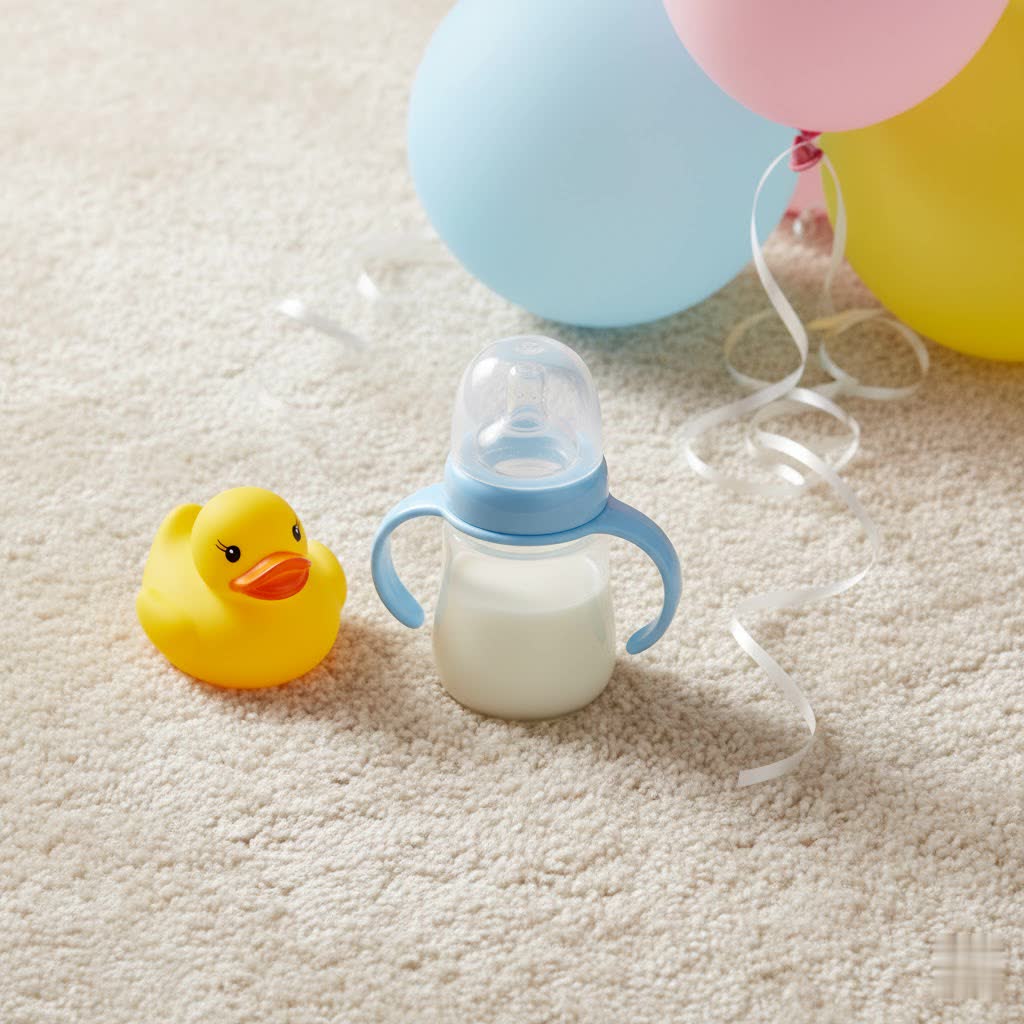
Bringing a newborn home is a joyous occasion, filled with wonder and countless decisions, especially when it comes to feeding. The right baby bottle can make a world of difference in these early days, impacting everything from your baby’s comfort during feeds to their overall development. Whether you’re exclusively bottle-feeding, supplementing breastfeeding, or navigating sensitivities like colic, selecting the perfect newborn bottle is crucial. This comprehensive guide will equip you with the knowledge to confidently choose a bottle that meets your baby’s unique needs and ensures a happy, healthy feeding journey.
Understanding Popular Newborn Bottle Types
The market is flooded with various types of newborn bottles, each offering distinct features designed to cater to different preferences and needs. Understanding the fundamental differences in materials and designs is the first step toward making an informed choice. For browse all baby feeding articles on this site.
By Material
The material of a baby bottle is a primary consideration, influencing safety, durability, and ease of use.
- Plastic Bottles: Lightweight, inexpensive, and generally shatterproof, plastic bottles are a common choice. However, it’s paramount to select bottles explicitly labeled “BPA-free” and “BPS-free” to avoid potential chemical leaching. Polypropylene (PP) and polyphenylsulfone (PPSU) are common plastics used. PPSU offers higher heat resistance and durability compared to PP. While convenient, plastic bottles may scratch, stain, and absorb odors over time, and some sources recommend avoiding microwaving or dishwashing them to prevent chemical release.
- Glass Bottles: Often favored for their non-toxic nature, glass bottles are free from harmful chemicals and do not absorb odors or stains. They are durable, easy to sterilize at high temperatures, and many are made from thermal shock-resistant borosilicate glass, allowing transitions from fridge to warmer without issue. The main drawbacks include being heavier than plastic or silicone, and the risk of breakage if dropped. Some studies have raised concerns about lead in painted logos on certain glass bottles, so clear, unmarked glass is often recommended.
- Silicone Bottles: Offering a balance between plastic and glass, silicone bottles are lightweight, unbreakable, and soft, providing a natural, squeezable feel. They are generally BPA-free and durable. However, silicone can be more expensive, may absorb food smells over time, and some designs can be prone to toppling. It’s also noted that high temperatures and fats might cause synthetic chemicals to leach from silicone over extended contact.
- Stainless Steel Bottles: A robust and eco-friendly option, stainless steel bottles are virtually indestructible and excellent for temperature retention. They are BPA-free and don’t leach chemicals. The primary disadvantages are their opacity, making it difficult to monitor milk levels, and their higher price point. They also cannot be used in traditional bottle warmers.
By Design
|
Our Picks for the Best Baby Bottle in 2026
As an Amazon Associate I earn from qualifying purchases.
|
||
| Num | Product | Action |
|---|---|---|
| 1 | mushie Soft Spout Sippy Cup 10 fl oz - 6 Months+ (Dried Thyme) |

|
| 2 | Philips Avent Natural Baby Bottles with Natural Response Nipples (Medium Flow, Flow 3), 9oz, 4-Pack, SCY903/04 |
|
| 3 | Philips Avent Natural Glass Baby Bottles with Natural Response Nipples (Slow Flow, Flow 2), 4oz, 4-Pack, SCY910/04 |
|
| 4 | Dr. Brown's Natural Flow Anti-Colic Options+ Narrow Baby Bottle, 8 oz/250 mL, with Level 1 Slow Flow Nipples, 0m+, 4 Pack |
|
| 5 | Dr.isla PPSU Learn-to-Drink Transition Sippy Cups with Leakproof Air Vent, Gravity Straw & Handles, 2 Lids for Babies & Toddlers 6–36 Months,9oz |
|
| 6 | Comotomo Baby Bottle Double Pack, Green, 8oz |
|
| 7 | Philips Avent Natural Baby Bottles with Natural Response Nipples (Slow Flow, Flow 2), 4oz, 4-Pack, SCY900/04 |
|
| 8 | Dr. Brown's Natural Flow Anti-Colic Options+ Narrow Baby Bottle, 4 oz/120 mL, with Level 1 Slow Flow Nipple, 0m+, 4 Pack |
|
| 9 | Dr. Brown's Natural Flow Anti-Colic Options+ Narrow Glass Baby Bottle 8 oz/250 mL, with Level 1 Slow Flow Nipple, 4 Pack, 0m+ |
|
| 10 | Philips Avent Natural Glass Baby Bottles with Natural Response Nipples (Medium Flow, Flow 3), 8oz, 4-Pack, SCY913/04 |
|
Beyond materials, bottle design plays a significant role in your baby’s feeding experience.
- Wide-Neck vs. Narrow-Neck: Wide-neck bottles are easier to clean and fill, and their broader base can mimic a mother’s breast, potentially aiding breastfed babies. Narrow-neck bottles are more traditional, often more compact, and may be preferred by some babies.
- Anti-Colic Features: Many newborn bottles incorporate venting systems designed to reduce air intake, which can alleviate gas, fussiness, and colic. These systems work by preventing air bubbles from mixing with the milk or creating a vacuum within the bottle. Dr. Brown’s bottles are particularly renowned for their internal vent system, though they often involve more parts to clean. Philips Avent and Comotomo also offer effective anti-colic designs.
- Breast-Like Nipples: For babies transitioning between breast and bottle, or those exclusively bottle-fed who benefit from a natural latch, nipples that mimic the shape, flex, and feel of a mother’s breast are ideal. Brands like Lansinoh, Comotomo, and Philips Avent often feature these designs.
- Angle-Neck Bottles: These bottles have a bent neck to minimize air entering the nipple and may be easier for some parents to hold, though they can be harder to clean.
Navigating Your Newborn Bottle Options
Choosing the right bottle involves considering several key criteria tailored to your baby’s developmental stage and feeding habits.
Key Factors When Choosing a Newborn Bottle
- Baby’s Age and Needs: For newborns, slow-flow nipples are essential to prevent overwhelming them and to mimic the pace of breastfeeding. As babies grow, their sucking strength increases, and they may need to transition to medium or fast-flow nipples. Signs a baby might need a faster flow include taking longer to finish feeds, becoming fussy, or falling asleep mid-feed. Conversely, coughing, gulping, or milk dripping can indicate a nipple flow that is too fast.
- Feeding Method: If you are combination feeding (breast and bottle), look for bottles with “breast-like” nipples and slow flow rates to minimize nipple confusion. For exclusively formula-fed babies, the priority might shift to effective anti-colic features and ease of cleaning.
- Nipple Shape and Flow Rate: Nipples come in various shapes (round, flat, orthodontic) and flow rates (preemie, slow, medium, fast, Y-cut for thickened liquids). Orthodontic nipples are designed to encourage proper oral development. Experimentation is often key to finding what your baby prefers.
- Anti-Colic Features: If your newborn experiences excessive gas, spit-up, or fussiness, anti-colic bottles with effective venting systems can be highly beneficial. These systems aim to keep air out of your baby’s tummy, reducing discomfort.
- Ease of Cleaning and Sterilization: New parents quickly learn the importance of easy-to-clean bottles. Bottles with fewer parts and wide openings simplify the cleaning and sterilization process, reducing the risk of bacterial buildup.
- Safety Certifications: Always ensure bottles are free from harmful chemicals like BPA, BPS, PVC, and phthalates. Look for clear labeling and consider reputable brands known for safety standards.
Top Recommended Newborn Bottles
Based on expert reviews and parent feedback, several brands consistently stand out for their quality and suitability for newborns:
- Dr. Brown’s Natural Flow Anti-Colic Options+: Renowned for its internal vent system that effectively reduces colic, gas, and reflux. While highly effective, it has more parts to clean.
- Philips Avent Natural/Anti-colic Bottles: Praised for their breast-like nipples and built-in anti-colic systems (especially the AirFree vent). They are often considered easy to clean with fewer parts than some other anti-colic options.
- Comotomo Baby Bottle: Made from soft, squeezable silicone with a wide, breast-shaped nipple, ideal for babies transitioning between breast and bottle. Its wide neck also makes cleaning straightforward.
- Lansinoh Breastfeeding Bottles with NaturalWave Nipple: Specifically designed to encourage an established breastfeeding pattern, mimicking natural milk flow. Excellent for breastfed babies.
- Pigeon SofTouch Peristaltic Plus: Often grouped with Lansinoh for its focus on a natural feeding experience and good for breastfed infants.
- Nanobebe Flexy Silicone Baby Bottle: A full-silicone bottle known for its soft, breast-like feel and anti-colic vent system.
- NUK Simply Natural Glass Bottle: Features an orthodontic nipple shape and offers a glass option for parents prioritizing non-toxic materials.
Newborn Bottle Feeding Best Practices
Beyond choosing the right bottle, proper feeding techniques are essential for your newborn’s comfort and digestion.
Guide to Successful Bottle Feeding
- Paced Bottle Feeding: This technique mimics breastfeeding by allowing the baby to control the flow of milk, preventing overfeeding and reducing air intake. Hold the bottle horizontally, tipping it slightly so the nipple is full but not gushing. Allow your baby to take breaks and burp frequently.
- Proper Positioning: Always hold your baby in an upright or semi-upright position during feeding. This helps prevent choking, spit-up, and keeps milk flowing downwards, minimizing air swallowing.
- Recognizing Hunger Cues: Feed your newborn when they show early hunger cues like rooting, sucking motions, or bringing hands to mouth, rather than waiting until they cry.
- Feeding Amounts and Frequency: Newborns typically consume 1-2 ounces (30-60 mL) per feeding, every 2-3 hours. Remember that every baby is different, and they will usually signal when they are full.
- Burping: Burp your baby during and after each feeding to release swallowed air, which helps reduce gas and discomfort.
- Cleaning and Sterilization: All bottle parts, including nipples and caps, must be thoroughly cleaned after each use. Sterilize bottles, especially for newborns, by boiling, using a steam sterilizer, or a dishwasher with a hot wash cycle. Replace nipples regularly, usually every 1-2 months or if they show signs of wear. Store clean bottles in a dry, airy place.
“The ‘best’ bottle is truly the one your baby accepts and thrives with. Be open to trying a few different brands and types, as every baby’s preferences are unique.” – Dr. Sarah Bjorkman, Pediatrician and OB/GYN
Where to Purchase Newborn Bottles
Newborn bottles are widely available both online and in physical stores. Reputable places to buy include:
- Major Baby Retailers: Stores like Babylist, Buybuy Baby, and local specialty baby shops offer a wide selection and often have knowledgeable staff.
- Supermarkets and Pharmacies: Many larger grocery stores and pharmacies carry popular bottle brands.
- Online Marketplaces: Websites like Amazon, Target, and Walmart provide extensive choices, often with customer reviews that can be helpful.
Always purchase from trusted retailers to ensure product authenticity and safety.
Conclusion
The journey of choosing newborn bottles can feel overwhelming, but by understanding the various materials, designs, and key factors, you can make a confident decision. Prioritizing safety, anti-colic features, appropriate nipple flow, and ease of cleaning will ensure your little one has a comfortable and nurturing feeding experience. Remember that your baby’s individual preference is the ultimate guide, and it might take a bit of trial and error to find their perfect match. Which features are most important to you in a newborn bottle, and why?
Frequently Asked Questions
What is the safest material for newborn bottles?
Glass is generally considered the safest due to its non-toxic nature and inability to leach chemicals. However, high-quality BPA-free and BPS-free plastics like PPSU, and food-grade silicone or stainless steel, are also excellent safe options when sourced from reputable brands.
How many bottles do I need for a newborn?
It’s recommended to start with 4-6 bottles and nipples, as newborns can feed up to 12 times in 24 hours. This allows for a rotation between cleanings and ensures you always have a sterile bottle ready.
How often should I replace newborn bottle nipples?
Nipples should typically be replaced every 1-2 months, or sooner if you notice any signs of wear, discoloration, stickiness, or tearing. Worn nipples can alter milk flow and harbor bacteria.
Can I microwave baby bottles to sterilize them?
It is not recommended to microwave plastic baby bottles for sterilization or heating formula, as this can cause chemicals to leach into the milk and create hot spots. For sterilization, use boiling water, a steam sterilizer, or a dishwasher with a sanitizing cycle.
What is “paced bottle feeding” and why is it important for newborns?
Paced bottle feeding is a technique where you allow your baby to control the flow and pace of feeding, mimicking breastfeeding. This helps prevent overfeeding, reduces air intake, and supports the baby’s natural sucking reflexes, which is especially important for breastfed babies to avoid nipple confusion.
Get our weekly buyer guide
Practical specs, not advice. Unsubscribe anytime.
