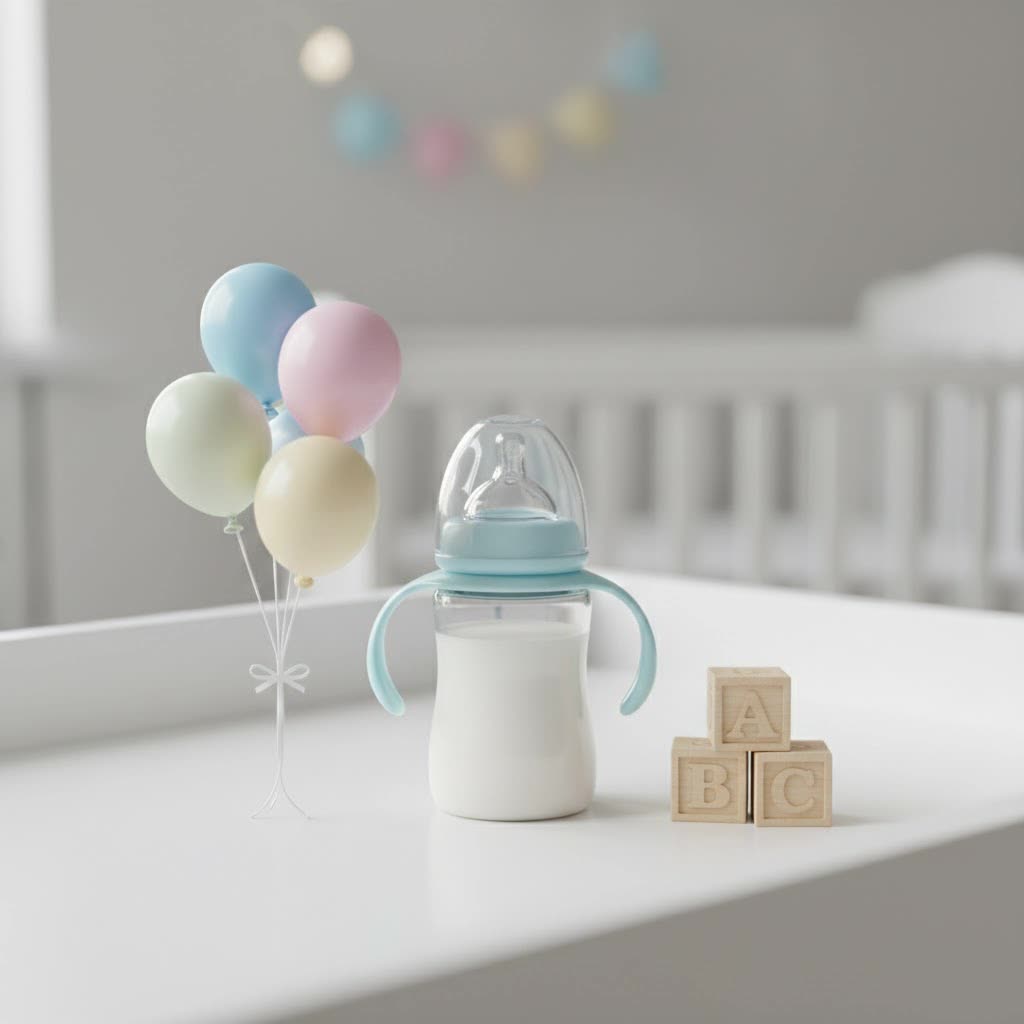
Welcoming a new baby into your family brings immense joy, but for many parents, it also introduces challenges like fussiness, gas, and the dreaded colic. These early feeding struggles can make mealtime a source of stress rather than a cherished bonding experience. As an experienced technician specializing in baby bottles for over a decade, I understand the critical role the right bottle plays in your baby’s comfort and development. Among the myriad options, the Philips Avent Anti-Colic bottle stands out as a popular choice, specifically designed to address these common feeding woes. This comprehensive guide will explore its unique features, benefits, how it compares to other options, and provide essential tips for its use and care, helping you make the best decision for your little one.
Understanding Baby Bottles: Why the Right Choice Matters
The market offers a wide array of baby bottles, varying in material, shape, and specialized features. From classic plastic to durable glass and flexible silicone, each material presents its own set of advantages in terms of safety, longevity, and ease of cleaning. Beyond material, bottle designs like wide-neck or narrow-neck, and those with advanced anti-colic systems, cater to different needs. The core purpose of any baby bottle is to deliver nutrition efficiently, but for babies prone to swallowing air, an anti-colic design becomes paramount. This specialized design aims to minimize air intake during feeding, a common culprit behind gas, discomfort, and crying spells. For see our baby feeding recommendations on this site.
Philips Avent Anti-Colic Bottle: Features and Benefits for a Happy Tummy
The Philips Avent Anti-Colic bottle is engineered with your baby’s comfort in mind, focusing on reducing feeding issues that lead to discomfort. Its core strength lies in its innovative design, which targets the common causes of colic.
The bottle features a unique Airflex valve integrated into the nipple, or in newer versions, an AirFree Vent that can be easily inserted. This clever system works by preventing vacuum buildup in the bottle and venting air away from your baby’s delicate tummy. As your baby feeds, the valve flexes, allowing air to flow into the bottle instead of being swallowed. This significantly reduces the amount of air ingested, leading to less gas, burping, and spitting up. In fact, clinical studies suggest that babies fed with Philips Avent Anti-Colic bottles experience up to 60% less fussing, particularly at night.
Another thoughtful design element is the ribbed nipple texture. This prevents the nipple from collapsing during feeding, ensuring a continuous and uninterrupted flow of milk. A consistent flow means your baby can feed at their own pace without struggling against a flattened nipple, which further minimizes air intake and reduces frustration. The nipple’s shape also promotes a secure latch, crucial for comfortable and effective feeding, whether your baby is exclusively bottle-fed or combination-fed.
Beyond its anti-colic prowess, the Philips Avent Anti-Colic bottle boasts an ergonomic shape, making it comfortable for parents to hold and easy for older babies to grasp on their own. Made from BPA-free materials, these bottles prioritize your baby’s safety and are built for durability. Parents also appreciate its ease of use and cleaning. With a simple design typically comprising only three or four parts, assembly and disassembly are straightforward. The bottles are both dishwasher and microwave safe, offering convenient options for cleaning and warming. The AirFree vent is even interchangeable with other Philips Avent bottles, adding a layer of versatility to your feeding routine.
Philips Avent Anti-Colic vs. Natural Bottles: A Head-to-Head Comparison
Choosing between the Philips Avent Anti-Colic and Natural bottles often comes down to your baby’s specific feeding needs and sensitivities. Both are high-quality options from a trusted brand, but they are designed with different primary focuses.
| Feature | Philips Avent Anti-Colic Bottle | Philips Avent Natural Bottle |
|---|---|---|
| Primary Benefit | Significantly reduces colic, gas, and fussiness by minimizing air ingestion. | Promotes a natural latch, ideal for combination feeding and breastfed babies. |
| Venting System | Dedicated Airflex valve or AirFree Vent system actively vents air away from baby’s tummy. | Vent system is built directly into the nipple (small hole) for seamless flow. |
| Nipple Shape | Ribbed nipple prevents collapse, designed for steady flow. | Wide, breast-shaped nipple with a spiral design for a natural feel. |
| Parts Count | Typically 3-4 parts (bottle, ring, nipple, vent). | Usually 3 parts (bottle, ring, nipple) for ultimate simplicity. |
| Ideal User | Babies prone to gas, reflux, colic, and general fussiness. | Babies transitioning between breast and bottle, or exclusively bottle-fed without significant colic issues. |
| Material Options | Primarily BPA-free plastic (polypropylene). | Available in BPA-free plastic (polypropylene) and glass. |
The Anti-Colic bottle is the go-to for parents specifically battling issues of excessive gas or colic. Its advanced venting system actively works to keep air out of your baby’s stomach. On the other hand, the Natural bottle excels in mimicking the breast, making it an excellent choice for breastfed babies who also use bottles or for those without pronounced colic symptoms. While the Natural bottle also has an anti-colic valve, the Anti-Colic version provides a more robust solution for babies with sensitive tummies. Importantly, Philips Avent often designs components to be interchangeable, meaning you can sometimes use Natural nipples with Anti-Colic bottles and vice versa, offering flexibility as your baby grows and their needs evolve.
Choosing the Right Nipple Flow for Your Baby
Selecting the correct nipple flow is as important as choosing the right bottle, as it directly impacts your baby’s feeding experience and comfort. Philips Avent offers a range of nipple flow rates, typically categorized by numbers (from 0 to 5) or descriptions (Newborn, Slow, Medium, Fast, Extra Fast, Variable, and Thick Feed).
Age guidelines serve as a useful starting point:
- Flow 0 (Newborn): 0+ months, often with one hole, ideal for newborns and breastfed babies to mimic natural flow.
- Flow 1 (Slow Flow): 1+ months, typically with two holes.
- Flow 2 (Medium Flow): 3+ months, with three holes.
- Flow 3 (Fast Flow): 6+ months, featuring four holes.
- Flow 4 (Extra Fast Flow): For older babies requiring a quicker flow.
- Variable Flow: 3+ months, with a slot cut that allows you to adjust the flow rate by rotating the bottle, suitable for varying consistencies.
- Thick Feed Nipple: 6+ months, designed for thicker liquids.
However, remember that these are just guidelines. Your baby’s individual drinking style and cues are the most reliable indicators. If your baby seems frustrated, pulls away crying, takes longer than 20-30 minutes to finish a bottle, or falls asleep during feeding, the nipple flow might be too slow. Conversely, if your baby gulps milk, spills frequently, or milk drips excessively from their mouth, the flow might be too fast, potentially leading to discomfort or choking. Observing these signs will help you adjust to a higher or lower flow rate, ensuring a comfortable and efficient feeding session.
Care and Maintenance: Keeping Your Philips Avent Anti-Colic Bottles Pristine
Proper cleaning and sterilization are crucial for your baby’s health and the longevity of your Philips Avent Anti-Colic bottles. It’s a simple process that becomes second nature.
Always begin by disassembling all parts of the bottle—the bottle itself, the nipple, the collar/ring, and the AirFree vent if you’re using one. After each feeding, wash all components thoroughly with warm, soapy water. Ensure you remove any milk residue, paying special attention to crevices and the nipple opening. A good-quality bottle brush, especially one with a smaller brush for nipples, is invaluable here. Remember to clean the nipple carefully to avoid damage. Rinse all parts thoroughly under running water to remove soap.
After cleaning, sterilization is the next vital step. There are several effective methods:
- Boiling: Place all disassembled parts in a pot of boiling water for a minimum of five minutes. Ensure the parts do not touch the sides of the pot to prevent deformation.
- Steam Sterilizers: Philips Avent offers both electric and microwave steam sterilizers, which are fast and highly effective. Follow the manufacturer’s instructions for your specific sterilizer model.
- Dishwasher Safe: The Philips Avent Anti-Colic bottles are BPA-free and safe for the top rack of your household dishwasher. For smaller components like nipples and rings, using a dishwasher-safe basket prevents them from falling to the bottom.
Always wash your hands thoroughly before handling sterilized components to maintain hygiene. It’s also important to avoid abrasive or antibacterial cleaning agents, as these can degrade the bottle materials. While these bottles are built to last, nipples should be inspected regularly and replaced at the first sign of wear, tear, or discoloration, typically every 3-6 months.
Top Recommendations and Where to Buy
The Philips Avent Anti-Colic bottle remains a top recommendation for its effectiveness in addressing common feeding issues like colic and gas. Its thoughtful design, emphasizing comfort and ease of use for both baby and parent, has earned it a loyal following. From its innovative Airflex valve to its ergonomic shape and simple cleaning process, it’s a bottle designed to bring peace of mind to feeding times.
You can find Philips Avent Anti-Colic bottles widely available at major baby specialty stores, large supermarkets with baby sections, and numerous online retailers. Reputable platforms like BabiesRUs, Amazon, and the official Philips Avent website are excellent places to purchase, often offering various sets and sizes to suit your needs.
Conclusion
Navigating the world of baby bottles can feel overwhelming, but the right choice can profoundly impact your baby’s well-being. The Philips Avent Anti-Colic bottle offers a scientifically-backed solution to reduce fussiness and colic, allowing both you and your baby to enjoy calmer, more comfortable feeding experiences. Its commitment to safety, ease of use, and effective anti-colic features make it a standout product in the infant feeding category. By understanding its unique advantages, knowing how to choose the right nipple flow, and maintaining proper care, you can equip yourself with a tool that supports your baby’s healthy development. Are you ready to transform your feeding routine and embrace more joyful moments with your little one?
Frequently Asked Questions
How often should I replace Philips Avent Anti-Colic nipples?
|
Our Picks for the Best Baby Bottle in 2026
As an Amazon Associate I earn from qualifying purchases.
|
||
| Num | Product | Action |
|---|---|---|
| 1 | Dr. Brown's Natural Flow Anti-Colic Options+ Narrow Baby Bottle, 8 oz/250 mL, with Level 1 Slow Flow Nipples, 0m+, 4 Pack |

|
| 2 | Dr. Brown's Natural Flow Anti-Colic Options+ Narrow Glass Baby Bottle 8 oz/250 mL, with Level 1 Slow Flow Nipple, 4 Pack, 0m+ |
|
| 3 | Dr. Brown's Natural Flow Anti-Colic Options+ Narrow Baby Bottle, 4 oz/120 mL, with Level 1 Slow Flow Nipple, 0m+, 4 Pack |
|
| 4 | Dr.isla PPSU Learn-to-Drink Transition Sippy Cups with Leakproof Air Vent, Gravity Straw & Handles, 2 Lids for Babies & Toddlers 6–36 Months,9oz |
|
| 5 | Philips Avent Natural Baby Bottles with Natural Response Nipples (Slow Flow, Flow 2), 4oz, 4-Pack, SCY900/04 |
|
| 6 | Philips Avent Natural Glass Baby Bottles with Natural Response Nipples (Medium Flow, Flow 3), 8oz, 4-Pack, SCY913/04 |
|
| 7 | mushie Soft Spout Sippy Cup 10 fl oz - 6 Months+ (Dried Thyme) |
|
| 8 | Comotomo Baby Bottle Double Pack, Green, 8oz |
|
| 9 | Philips Avent Natural Glass Baby Bottles with Natural Response Nipples (Slow Flow, Flow 2), 4oz, 4-Pack, SCY910/04 |
|
| 10 | Philips Avent Natural Baby Bottles with Natural Response Nipples (Medium Flow, Flow 3), 9oz, 4-Pack, SCY903/04 |
|
It is generally recommended to inspect and replace Philips Avent Anti-Colic nipples every 3-6 months, or sooner if you notice any signs of wear, stickiness, discoloration, or damage. Regular inspection ensures optimal hygiene and proper milk flow for your baby.
Can I use Philips Avent Natural nipples on an Anti-Colic bottle?
Yes, Philips Avent often designs its bottle components to be interchangeable. You can typically use Philips Avent Natural nipples with the Anti-Colic bottle collars and rings, and vice versa. This offers flexibility if your baby prefers a different nipple shape but still benefits from the Anti-Colic bottle’s venting system.
Is the Philips Avent Anti-Colic bottle suitable for breastfed babies?
The Philips Avent Anti-Colic bottle can be suitable for breastfed babies, especially those prone to gas or colic. Its anti-colic system helps minimize air intake, which is beneficial. However, some breastfed babies might initially prefer the Philips Avent Natural bottle with its breast-shaped nipple for a more familiar latch.
What is the AirFree Vent and how does it differ from the Airflex valve?
The AirFree Vent is an additional component designed for the Philips Avent Anti-Colic bottle that helps keep the nipple full of milk even when held horizontally, facilitating upright feeding. While the Airflex valve is built into the nipple to prevent vacuum, the AirFree Vent provides an extra layer of anti-colic protection by actively preventing air from entering the nipple.
Get our weekly buyer guide
Practical specs, not advice. Unsubscribe anytime.
