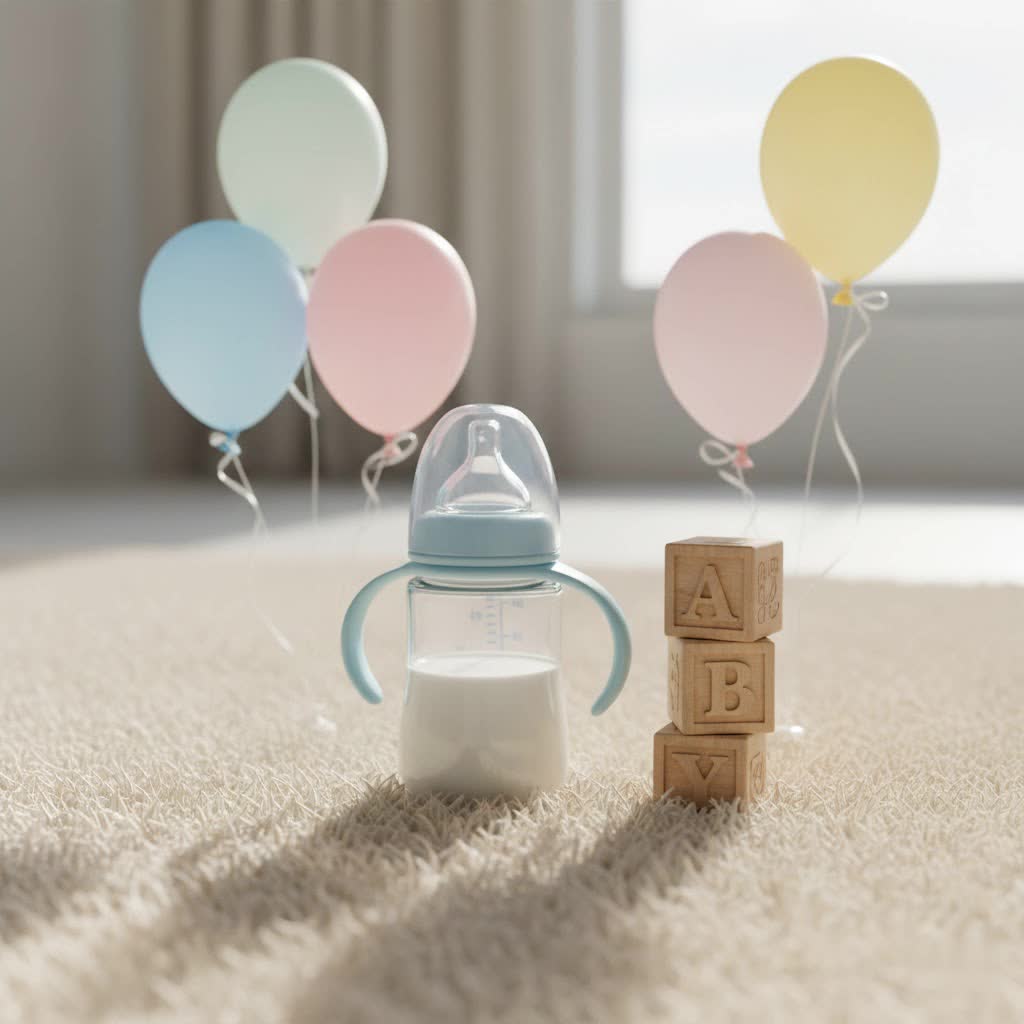
Welcoming a newborn is a joyous journey filled with countless decisions, and choosing the right baby bottle is undoubtedly one of the most crucial. It’s not just about holding milk; it’s about comfort, safety, and promoting healthy feeding habits from day one. Many parents, especially those navigating the delicate balance of breastfeeding and bottle-feeding, seek solutions that support their baby’s natural instincts. Enter Pigeon newborn bottles, a brand that has garnered a loyal following worldwide for its thoughtful design and baby-centric approach. This comprehensive guide will explore why Pigeon stands out and help you determine if it’s the perfect choice for your precious little one.
Understanding Pigeon Newborn Bottles
Pigeon has dedicated decades to researching infant feeding, leading to innovations designed to mimic the natural dynamics of breastfeeding. This commitment has made them a trusted name, particularly among parents seeking a seamless transition between breast and bottle.
The Pigeon Advantage: Why Parents Choose Them
Pigeon bottles are renowned for features that prioritize a baby’s comfort and feeding efficiency. Their standout element is often the SofTouch™ peristaltic nipple, engineered to replicate the soft, flexible feel of a mother’s breast. This design encourages a wide latch and natural sucking patterns, crucial for newborns. Babies tend to accept these nipples readily, making combination feeding a less stressful experience for both parent and child.
Beyond latch, Pigeon incorporates an effective anti-colic system. Unlike many brands that use multiple parts for venting, Pigeon integrates a small air vent directly into the nipple base. This ingenious design minimizes air ingestion during feeding, significantly reducing instances of gas, colic, reflux, and general fussiness. Fewer parts also translate to easier cleaning, a major win for busy parents.
Durability and quality are also hallmarks of Pigeon bottles. Many parents commend their robust construction, with glass bottles noted for being sturdy and resisting odors and stains. The thoughtful design ensures a secure fit between the nipple and ring, preventing leaks—a common frustration with other bottles.
Materials Matter: Glass, PPSU, PP, and T-Ester
Pigeon offers a variety of bottle materials, each with distinct advantages, allowing parents to choose what best fits their lifestyle and preferences:
- Glass: Loved for its purity, glass is highly resistant to scratches, stains, and odors. While heavier, it offers superior hygiene and longevity, making it a classic, sustainable choice that can withstand endless sterilization.
- PPSU (Polyphenylsulfone): Recognized by its natural honey-gold hue, PPSU is considered the “gold standard” for plastic bottles. It’s exceptionally durable, heat-resistant, and often used in medical settings. PPSU bottles contain no artificial colors and can endure rigorous daily use and high-heat sterilization.
- PP (Polypropylene): A practical and widely used option, PP is lightweight and durable, making it easy for babies to hold as they learn to self-feed. It’s a convenient choice for parents on the go.
- T-Ester: This material offers glass-like clarity with the lightweight durability of plastic. T-Ester is unique for its resistance to UV degradation, maintaining clarity even after repeated UV sterilization.
Choosing the Right Pigeon Bottle for Your Newborn
Selecting the ideal bottle involves considering your baby’s individual needs and your feeding routine.
Wide Neck vs. Standard Neck: Which is Best?
|
Our Picks for the Best Baby Bottle in 2026
As an Amazon Associate I earn from qualifying purchases.
|
||
| Num | Product | Action |
|---|---|---|
| 1 | Dr.isla PPSU Learn-to-Drink Transition Sippy Cups with Leakproof Air Vent, Gravity Straw & Handles, 2 Lids for Babies & Toddlers 6–36 Months,9oz |

|
| 2 | mushie Soft Spout Sippy Cup 10 fl oz - 6 Months+ (Dried Thyme) |
|
| 3 | Dr. Brown's Natural Flow Anti-Colic Options+ Narrow Glass Baby Bottle 8 oz/250 mL, with Level 1 Slow Flow Nipple, 4 Pack, 0m+ |
|
| 4 | Philips Avent Natural Glass Baby Bottles with Natural Response Nipples (Slow Flow, Flow 2), 4oz, 4-Pack, SCY910/04 |
|
| 5 | Dr. Brown's Natural Flow Anti-Colic Options+ Narrow Baby Bottle, 4 oz/120 mL, with Level 1 Slow Flow Nipple, 0m+, 4 Pack |
|
| 6 | Philips Avent Natural Glass Baby Bottles with Natural Response Nipples (Medium Flow, Flow 3), 8oz, 4-Pack, SCY913/04 |
|
| 7 | Philips Avent Natural Baby Bottles with Natural Response Nipples (Slow Flow, Flow 2), 4oz, 4-Pack, SCY900/04 |
|
| 8 | Comotomo Baby Bottle Double Pack, Green, 8oz |
|
| 9 | Philips Avent Natural Baby Bottles with Natural Response Nipples (Medium Flow, Flow 3), 9oz, 4-Pack, SCY903/04 |
|
| 10 | Dr. Brown's Natural Flow Anti-Colic Options+ Narrow Baby Bottle, 8 oz/250 mL, with Level 1 Slow Flow Nipples, 0m+, 4 Pack |
|
Pigeon primarily offers two neck styles, each with specific benefits:
-
Wide Neck Bottles (SofTouch™): These bottles feature a wider opening that closely resembles the shape of a mother’s breast. They are often recommended for:
- Combination feeding: Easing the transition between breast and bottle.
- Weaning: Helping babies transition from breastfeeding.
- Reluctant babies: The natural feel can help babies who are hesitant to take a bottle.
- Ease of cleaning and filling: The wider opening makes these tasks simpler.
- Peristaltic teat: Designed to mimic natural breast milk flow.
- Available in various materials and six nipple sizes from newborn to toddler.
-
Standard Neck Bottles (Flexible™): With a traditional, slimmer design, these bottles are suitable for:
- Exclusively bottle-fed babies: Ideal if breastfeeding is not part of the feeding plan.
- Tiny or fussy babies: Some babies may prefer the narrower nipple.
- Portability: Generally smaller and lighter, making them easier to carry.
- Compatibility: More likely to fit various bottle warmers and sterilizers.
- Available in different materials and four nipple sizes from newborn to toddler.
Nipple Flow Rates
Pigeon offers a range of nipple flow rates, which are crucial for a newborn’s feeding pace. For newborns, SS (Super Slow) or S (Slow) flow nipples are typically recommended to prevent overwhelming the baby and support their developing sucking reflex. As your baby grows and their feeding needs evolve, you may need to adjust to a faster flow nipple. It’s important to observe your baby’s cues and consult with a pediatrician or lactation consultant if you notice changes in feeding behavior, such as difficulty latching or prolonged feeding times.
Considering Special Needs
Pigeon also offers innovative designs like curved bottles, which mimic the natural curvature of a mother’s breast. These can be particularly beneficial for babies prone to reflux or colic, as the ergonomic shape promotes a more natural feeding position, potentially reducing discomfort and enhancing milk flow.
Pigeon Newborn Bottles in Comparison
When placed alongside other popular brands, Pigeon often highlights its unique strengths.
- Pigeon vs. Philips Avent: While Avent offers a wide, breast-shaped nipple, many parents find Pigeon’s silicone nipple to be softer and more flexible, which some babies prefer for comfort and an easier latch. Pigeon bottles are also noted for being more chip-resistant and durable than Avent in some real-world tests.
- Pigeon vs. Dr. Brown’s: Dr. Brown’s is celebrated for its intricate venting system to reduce colic. However, this system often involves multiple parts, making cleaning more cumbersome. Pigeon’s integrated anti-colic vent in the nipple provides similar benefits without the added cleaning complexity.
- Pigeon vs. Comotomo: Both brands focus on a breast-like feel. Pigeon’s scientific approach to nipple design, particularly its peristaltic movement, is a key differentiator, aiming for a more functional mimicry of breastfeeding mechanics.
A key advantage for many parents is the interchangeability of Pigeon nipples with certain other bottle brands, such as Medela storage bottles, Philips Avent glass bottles, Mam, Evenflo, Nuk Classic, and Lansinoh. This flexibility can be a lifesaver for parents who already own other bottles or pumps.
Caring for Your Pigeon Newborn Bottles
Proper care ensures hygiene and extends the life of your baby’s bottles.
Cleaning and Sterilization
Pigeon bottles, especially the wide-neck versions, are generally easy to clean due to their simple design and fewer parts. They are typically dishwasher safe (top rack recommended). For sterilization, methods like boiling, steaming, or using chemical sterilizers are effective. Pigeon bottles are also safe for UV sterilization, though repeated UV exposure can sometimes lead to faster aging or discoloration in plastic materials. Always ensure bottles are placed at least an inch away from heating elements in UV sterilizers to prevent heat damage.
When to Replace
Regardless of the material, it’s advisable to replace nursing bottles every 6–12 months. Frequent sterilization and daily use gradually impact the material. If you notice persistent milk stains, scratches, cloudiness, or changes in texture, it’s time for a new bottle. Nipples should be replaced more frequently, typically every 1-2 months or if there are any signs of wear, stickiness, or damage.
What Parents Are Saying: Real-World Experiences
Parents frequently share glowing reviews for Pigeon newborn bottles, often highlighting how they’ve solved feeding challenges. Many credit the SofTouch nipple for helping breastfed babies accept bottles without nipple confusion. Parents report fewer instances of gas and fussiness thanks to the effective anti-colic system, appreciating the simplicity of cleaning compared to multi-part vented bottles. The durability of glass and PPSU bottles is also a common praise point. While some note that Pigeon bottles can be pricier than other brands, many consider the investment worthwhile for the peace of mind and feeding success they provide. Concerns about lead in paint on older glass bottles have been raised in the past, but the brand has reportedly updated its formulations. Always purchase from reputable retailers to ensure you receive the latest, safest products.
Conclusion
Choosing a baby bottle for your newborn is a deeply personal decision, influenced by factors unique to your baby’s needs and your family’s lifestyle. Pigeon newborn bottles, with their research-backed design, breast-like nipples, and effective anti-colic features, offer a compelling solution, especially for those navigating combination feeding or seeking a gentle, comfortable feeding experience. Their commitment to quality materials and ease of use makes them a strong contender in the crowded baby bottle market. By considering the different materials, neck styles, and nipple flow rates, you can confidently select a Pigeon bottle that supports your baby’s healthy development and makes feeding time a joyous bonding experience.
What features do you prioritize most when choosing a bottle for your newborn?
Frequently Asked Questions
What makes Pigeon SofTouch nipples suitable for newborns?
Pigeon SofTouch nipples are designed with a soft, flexible silicone that mimics a mother’s breast, encouraging a wide latch and natural tongue movement. They also feature an integrated anti-colic air vent, which helps reduce air intake during feeding, making them ideal for newborns to minimize gas and fussiness.
Are Pigeon glass bottles safe from lead?
Pigeon has addressed past concerns regarding lead in the paint of older glass bottles. Reputable sources indicate that the brand updated its manufacturing processes and paint formulations around 2020 to ensure their products meet safety standards. Always purchase new products from authorized retailers to ensure you receive current, compliant bottles.
Can Pigeon bottles help with colic and gas?
Yes, Pigeon bottles are highly regarded for their anti-colic properties. The SofTouch nipples feature a unique air ventilation system that minimizes the amount of air a baby swallows during feeding. This built-in vent helps reduce gas, reflux, and discomfort, leading to a more settled feeding experience for newborns.
What is the difference between Pigeon wide neck and standard neck bottles?
Pigeon wide neck bottles (SofTouch™) have a broader nipple base, similar to a breast, making them excellent for breastfed babies transitioning to a bottle. Standard neck bottles (Flexible™) have a narrower, more traditional nipple, often preferred by exclusively bottle-fed infants or those who find a smaller nipple easier to manage. Both feature anti-colic systems.
What materials are Pigeon newborn bottles made from?
Pigeon newborn bottles are available in several high-quality, safe materials:
- Glass: For purity, durability, and resistance to odors and stains.
- PPSU (Polyphenylsulfone): A premium, highly durable, and heat-resistant medical-grade plastic.
- PP (Polypropylene): A lightweight and durable plastic option.
- T-Ester: A clear, durable plastic designed to resist UV degradation.
Get our weekly buyer guide
Practical specs, not advice. Unsubscribe anytime.
