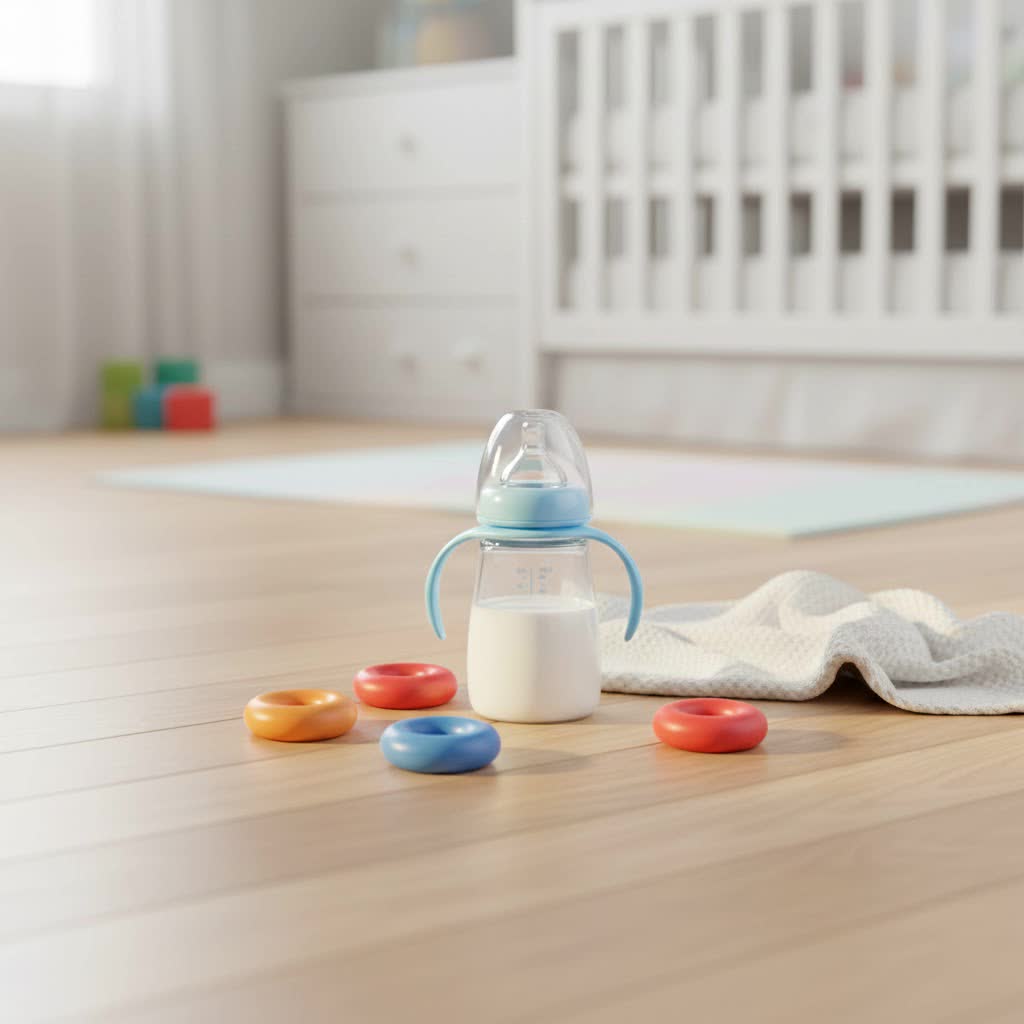
Choosing the right baby bottle is a pivotal decision for any parent, directly impacting a baby’s feeding experience and overall well-being. With so many options available, finding a bottle that prioritizes safety, comfort, and durability can feel overwhelming. Pigeon, a globally recognized brand, offers an exceptional range of glass baby bottles that have garnered praise for their quality and thoughtful design. This comprehensive guide will delve into why Pigeon glass bottles are a superior choice, exploring their unique features, comparing them to other materials, and providing essential advice to help you select the perfect bottle for your little one.
Why Choose Glass Baby Bottles for Your Little One?
For parents navigating the myriad of baby feeding products, the material of the bottle is often a top concern. Glass baby bottles offer distinct advantages that make them a preferred option for many.
Safety First: One of the primary reasons parents opt for glass is its inert nature. Unlike some plastic counterparts, high-quality glass is naturally free from harmful chemicals such as BPA, BPS, and phthalates, ensuring that no unwanted substances leach into your baby’s milk or formula. This provides peace of mind, knowing your baby is feeding from a pure, chemical-free vessel.
Durability & Longevity: While often perceived as fragile, modern glass baby bottles, especially those from reputable brands like Pigeon, are crafted from heat-resistant borosilicate glass, known for its robustness. They resist scratches, discoloration, and cloudiness that can affect plastic bottles over time, maintaining their pristine appearance even after extensive use and countless washes. This durability means they can last for years, potentially serving multiple children and offering excellent value.
Hygiene & Easy Cleaning: Glass is a non-porous material, which means it doesn’t absorb odors, tastes, or stains from milk or formula. This makes glass bottles incredibly easy to clean thoroughly, preventing the build-up of residue and ensuring a truly hygienic feeding experience. They can withstand high temperatures, making them ideal for all common sterilization methods—from boiling and steam sterilizers to dishwashers—without any risk of material degradation.
Environmental Friendliness: For environmentally conscious parents, glass bottles are an eco-friendly choice. They are 100% recyclable and reusable, significantly reducing plastic waste. By choosing glass, you contribute to a more sustainable future, minimizing your family’s ecological footprint.
Clarity: The crystal-clear transparency of glass provides excellent visibility. This allows parents to easily monitor milk levels during feeding and quickly spot any residue during cleaning, ensuring meticulous hygiene.
Pigeon Glass Baby Bottles: Features That Stand Out
|
Our Picks for the Best Baby Bottle in 2026
As an Amazon Associate I earn from qualifying purchases.
|
||
| Num | Product | Action |
|---|---|---|
| 1 | Philips Avent Natural Baby Bottles with Natural Response Nipples (Slow Flow, Flow 2), 4oz, 4-Pack, SCY900/04 |

|
| 2 | Dr. Brown's Natural Flow Anti-Colic Options+ Narrow Baby Bottle, 8 oz/250 mL, with Level 1 Slow Flow Nipples, 0m+, 4 Pack |
|
| 3 | Comotomo Baby Bottle Double Pack, Green, 8oz |
|
| 4 | mushie Soft Spout Sippy Cup 10 fl oz - 6 Months+ (Dried Thyme) |
|
| 5 | Dr. Brown's Natural Flow Anti-Colic Options+ Narrow Glass Baby Bottle 8 oz/250 mL, with Level 1 Slow Flow Nipple, 4 Pack, 0m+ |
|
| 6 | Dr.isla PPSU Learn-to-Drink Transition Sippy Cups with Leakproof Air Vent, Gravity Straw & Handles, 2 Lids for Babies & Toddlers 6–36 Months,9oz |
|
| 7 | Philips Avent Natural Glass Baby Bottles with Natural Response Nipples (Slow Flow, Flow 2), 4oz, 4-Pack, SCY910/04 |
|
| 8 | Philips Avent Natural Baby Bottles with Natural Response Nipples (Medium Flow, Flow 3), 9oz, 4-Pack, SCY903/04 |
|
| 9 | Philips Avent Natural Glass Baby Bottles with Natural Response Nipples (Medium Flow, Flow 3), 8oz, 4-Pack, SCY913/04 |
|
| 10 | Dr. Brown's Natural Flow Anti-Colic Options+ Narrow Baby Bottle, 4 oz/120 mL, with Level 1 Slow Flow Nipple, 0m+, 4 Pack |
|
Pigeon has dedicated over 60 years to researching babies’ sucking behavior, resulting in innovative bottle designs that support natural feeding. Their glass bottles incorporate several key features that set them apart.
Peristaltic PLUS™ Nipples: At the heart of Pigeon’s feeding philosophy are its revolutionary Peristaltic PLUS™ nipples, designed to mimic the natural dynamics of breastfeeding. These nipples are engineered to promote three key stages of a baby’s sucking behavior: latching, peristaltic tongue movement, and swallowing. This design facilitates a smooth transition between breast and bottle, minimizing nipple confusion and supporting a deep, comfortable latch. The built-in air ventilation system further contributes to an anti-colic design, reducing the intake of air and helping to alleviate gas and discomfort for your baby.
- SofTouch™ Wide-Neck Glass Bottles: These bottles feature a wide-neck design that closely resembles a mother’s breast, encouraging a wide mouth latch and promoting natural sucking patterns. They are particularly beneficial for breastfed babies, making it easier for them to switch between breast and bottle without confusion.
- Flexible™ Slim-Neck Glass Bottles: Offering a more controlled flow, the slim-neck option can be suitable for babies who prefer a traditional bottle shape or for specific feeding needs. Both wide-neck and slim-neck glass bottles are designed to be used with their corresponding Peristaltic teats, available in various flow rates to match your baby’s developmental stage.
High-Quality Borosilicate Glass: Pigeon’s glass bottles are made from premium heat-resistant borosilicate glass. This material ensures exceptional durability against thermal shock, allowing for safe sterilization and warming without concerns about cracking or weakening. It’s sturdy, crystal clear, and designed to last.
Anti-Colic Venting System: Many parents commend Pigeon’s integrated venting system, which is crucial for babies prone to colic or gas. This clever design minimizes air intake during feeding, helping to prevent uncomfortable burps and spit-ups, leading to a more content baby after feeds. Parents often note a significant reduction in their baby’s gassiness after switching to Pigeon bottles.
Compatibility: A practical benefit highlighted by some parents is the reported compatibility of Pigeon nipples with certain other breast pump brands, such as Medela. This can be a game-changer for pumping mothers, allowing them to pump directly into Pigeon bottles or use Pigeon nipples on existing storage bottles, streamlining the feeding process.
Sizes & Flow Rates: Pigeon glass bottles are available in convenient sizes to cater to different feeding stages:
- 120 ml (approximately 4 oz): Ideal for newborns and smaller feeds.
- 240 ml (approximately 8 oz): Suitable for older babies and longer feeding sessions.
Accompanying these bottles are Peristaltic PLUS™ nipples available in various flow rates, typically marked as SS (super slow), S (slow), M (medium), L (large), and Y-cut. This range allows you to adjust the milk flow according to your baby’s age and sucking strength, ensuring they feed comfortably and efficiently.
Glass vs. Plastic: Why Pigeon Glass Excels
When comparing baby bottle materials, the choice often boils down to glass or plastic. While plastic bottles are lightweight and generally more affordable, Pigeon glass bottles offer several compelling advantages, particularly for parents prioritizing safety and longevity.
| Feature | Pigeon Glass Bottles | Plastic Bottles (e.g., PP, PPSU) |
|---|---|---|
| Chemical Purity | Naturally free from BPA, BPS, phthalates; inert. | May contain harmful chemicals (even “BPA-free” plastics can leach other substances); microplastic concerns. |
| Odor & Taste | Non-porous; does not absorb odors or tastes. | Porous; can absorb milk/formula odors and tastes, difficult to get perfectly neutral. |
| Cleaning Ease | Crystal clear, non-porous, easy to scrub clean; withstands high temperatures for sterilisation without degradation. | Can become cloudy, scratched, or discolored over time; micro-scratches harbor bacteria; can degrade with repeated high-temperature sterilization. |
| Durability | Heat-resistant, scratch-resistant, long-lasting; maintains clarity. | Prone to scratches, clouding, and discoloration; generally needs replacement every few months. |
| Environmental | Recyclable, reusable, sustainable choice. | Contributes to plastic waste; less sustainable. |
| Weight | Heavier, especially when full. | Lightweight, easier for babies to hold independently earlier. |
| Breakage Risk | Can break if dropped (though modern glass is durable). | Less prone to shattering; can crack or chip over time. |
Pigeon glass bottles provide a chemical-free feeding solution, do not retain smells or tastes, and are exceptionally easy to clean and sterilize, making them a more hygienic and durable option in the long run. The concern about microplastics from heated plastic bottles also drives many parents to choose glass.
Choosing the Right Pigeon Glass Bottle for Your Baby
Selecting the ideal Pigeon glass bottle involves considering your baby’s specific needs and your lifestyle.
- Age and Feeding Needs: For newborns, smaller 120ml bottles with SS or S flow nipples are usually best. As your baby grows and their feeding volume increases, you can transition to 240ml bottles and nipples with faster flow rates (M, L, or Y-cut).
- Breastfed vs. Bottle-fed: If you are combination feeding or transitioning from breastfeeding, the SofTouch™ Wide-Neck Glass Bottle is often recommended. Its breast-like shape and nipple design promote a natural latch, reducing nipple confusion and supporting a seamless switch.
- Flow Rate: Observe your baby’s feeding cues. If they are struggling to get milk or seem frustrated, a faster flow might be needed. If they are gulping, sputtering, or spitting up excessively, a slower flow nipple could be more appropriate. Pigeon’s range of nipple sizes allows for precise customization.
- Safety Certifications: All Pigeon glass bottles are explicitly BPA and BPS free, assuring parents of their safety. There were past concerns about lead paint on some bottles from other brands, but Pigeon glass bottles are designed with child safety as a paramount concern and are free from such issues.
How to Use and Care for Your Pigeon Glass Baby Bottles
Proper care ensures the longevity and hygiene of your Pigeon glass bottles.
Cleaning & Sterilization:
- Disassembly: Always disassemble the bottle completely (bottle, nipple, cap, ring) before cleaning.
- Washing: Wash all components immediately after feeding using warm, soapy water and a bottle brush. Rinse thoroughly.
- Sterilization: Pigeon glass bottles are highly heat-resistant and can be sterilized using various methods:
- Boiling: Place components in boiling water for 5-10 minutes.
- Steam Sterilizers: Electric or microwave steam sterilizers are effective and convenient.
- UV Sterilizers: Glass bottles are generally compatible with UV sterilization.
- Dishwasher: Most components are top-rack dishwasher safe.
- Ensure all parts are completely dry before reassembling to prevent mildew or bacterial growth.
Handling: While durable, glass can break if dropped from a significant height or onto hard surfaces. Consider using silicone sleeves, if available for your specific bottle model, to add an extra layer of protection and improve grip, especially when your baby starts holding the bottle themselves. Avoid exposing glass bottles to extreme or sudden temperature changes, which can cause stress on the material.
Nipple Replacement: Silicone nipples naturally wear out over time. It’s recommended to inspect nipples regularly for signs of wear, tears, or stickiness and replace them every 1-2 months, or sooner if any damage is observed. This ensures optimal milk flow and hygiene.
Top Pigeon Glass Baby Bottle Options
Pigeon offers variations within its glass bottle range, primarily distinguished by their neck width and the corresponding nipple design.
- Pigeon SofTouch™ Wide-Neck Glass Baby Bottle: Praised for its ability to mimic breastfeeding, this bottle features a wide neck and the signature SofTouch™ Peristaltic PLUS™ nipple. It’s often recommended for breastfed babies or those who prefer a wide latch. Parents frequently comment on its sturdy feel and the effectiveness of the anti-colic system.
- Pigeon Flexible™ Slim-Neck Glass Baby Bottle: This traditional slim-neck bottle is paired with the Flexible™ Peristaltic nipple, offering a more controlled flow. It’s a reliable option for babies who are purely bottle-fed or prefer a narrower nipple shape.
Both options come in various sizes and are designed with the same high-quality borosilicate glass and commitment to safety and ease of cleaning. User reviews consistently highlight the durability of the glass and the effectiveness of the anti-colic features across both designs.
Where to Purchase Pigeon Glass Baby Bottles
Pigeon glass baby bottles are widely available both online and in physical stores, making them accessible to parents.
- Baby Specialty Stores: Retailers specializing in baby products often carry a good selection of Pigeon bottles and accessories.
- Large Supermarkets/Pharmacies: Many larger grocery stores or pharmacies with a baby care section will stock Pigeon products.
- Online Retailers: Websites like Amazon, eBay, and dedicated baby product e-commerce sites are excellent places to find the full range of Pigeon glass bottles, often with competitive pricing and delivery options. Always ensure you are purchasing from authorized or reputable sellers.
Conclusion
Choosing the right baby bottle is a deeply personal decision, but for parents seeking a blend of safety, hygiene, durability, and a natural feeding experience, Pigeon glass baby bottles stand out as an excellent choice. With their high-quality borosilicate glass construction, innovative Peristaltic PLUS™ nipples designed to mimic breastfeeding, and effective anti-colic features, Pigeon offers a feeding solution that supports your baby’s development and provides peace of mind. While the initial investment might be slightly higher than plastic alternatives, the longevity, ease of cleaning, and chemical-free nature of glass make them a worthwhile consideration for discerning parents.
Have you explored the world of glass baby bottles for your little one, and what factors were most important in your decision-making process?
Frequently Asked Questions
Are Pigeon glass bottles safe for babies, especially regarding past lead paint concerns?
Yes, Pigeon glass bottles are safe. They are made from high-quality, heat-resistant borosilicate glass and are certified BPA and BPS free. While there were past industry-wide concerns about lead paint on some baby bottles, reputable brands like Pigeon have addressed these issues, and current products are manufactured without such paints, prioritizing your baby’s health and safety.
How often should I replace Pigeon glass bottle nipples?
It is recommended to inspect Pigeon bottle nipples regularly for any signs of wear, tear, or damage such as stickiness, discoloration, or thinning. As a general guideline, nipples should be replaced approximately every 1-2 months, or immediately if any degradation is observed, to ensure optimal hygiene and milk flow for your baby.
Can Pigeon glass bottles be sterilized in a microwave?
Yes, Pigeon glass bottles are designed to withstand high temperatures and can be safely sterilized in a microwave using a microwave steam sterilizer. Always ensure the bottle components are fully disassembled and follow the instructions provided with your sterilizer and Pigeon bottle for proper and effective sterilization.
Are Pigeon glass bottles heavier for babies to hold independently?
Pigeon glass bottles are generally heavier than their plastic or silicone counterparts. While this contributes to their stability and premium feel, it can make them more challenging for younger babies to hold independently. As babies grow, their strength develops, and they can typically manage glass bottles more easily. Silicone sleeves can also improve grip and offer added protection.
Do Pigeon glass bottle nipples fit other brand’s breast pumps?
Some parents have reported that Pigeon nipples are compatible with certain other breast pump brands, such as Medela. This can be a convenient feature for pumping mothers who wish to use Pigeon nipples with their existing pump parts or storage bottles. However, compatibility can vary, so it’s always best to check user reviews or test compatibility yourself.
Get our weekly buyer guide
Practical specs, not advice. Unsubscribe anytime.
