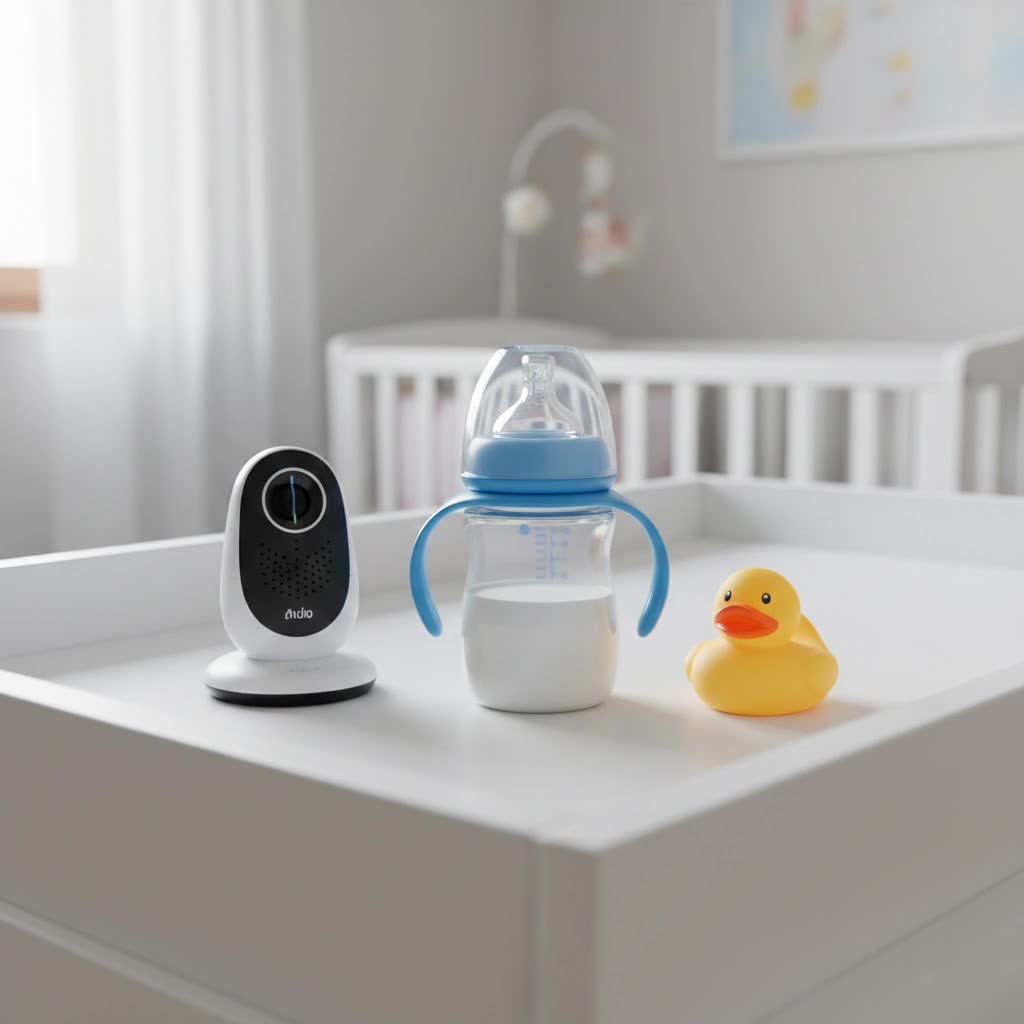
Bringing a new baby home is a journey filled with joy, wonder, and countless decisions – not least of which is choosing the right feeding bottle. For many parents, especially those navigating the world of combination feeding, finding a bottle that supports both baby’s comfort and developmental needs is paramount. The Philips Avent Natural Feeding Bottle stands out as a highly popular choice, praised for its innovative design aimed at mimicking the natural breastfeeding experience. Let’s delve into what makes this bottle a favorite among families and how it can contribute to a smooth, comfortable feeding routine for your little one.
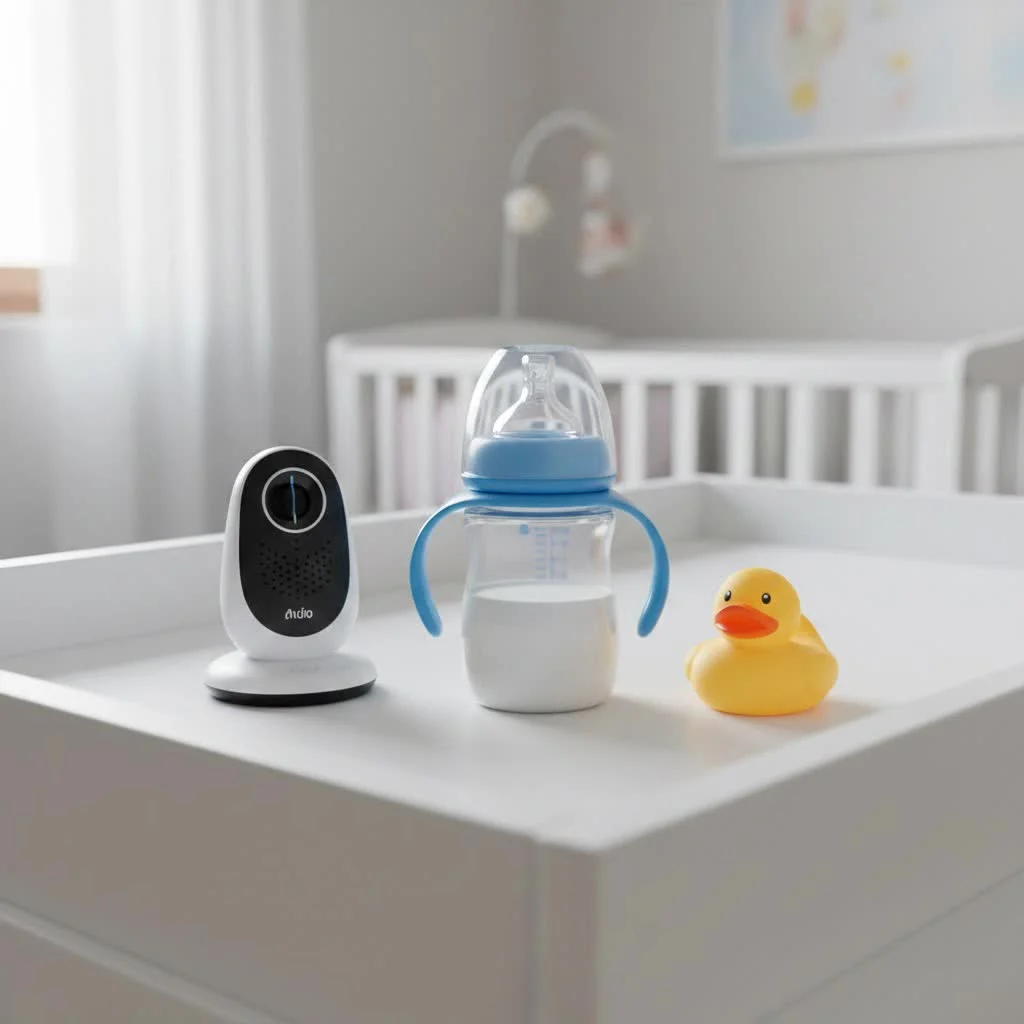
The Philips Avent Natural Feeding Bottle: An Overview
Philips Avent has long been a trusted name in baby care, consistently delivering products designed with both infant well-being and parental convenience in mind. The Natural series embodies this philosophy, focusing on creating a bottle that facilitates an intuitive feeding experience. Its core purpose is to provide a bottle that feels as close to a mother’s breast as possible, helping babies easily switch between breast and bottle without confusion or fuss. This thoughtful design makes it an excellent ally for parents who choose to combine breastfeeding and bottle feeding, ensuring a consistent and comfortable experience for their baby.
Key Features Designed for Your Baby’s Comfort
What truly sets the Philips Avent Natural Feeding Bottle apart are its meticulously crafted features, all aimed at enhancing your baby’s feeding comfort and promoting healthy development.
Nipple Design for a Natural Latch
The cornerstone of the Natural bottle’s appeal is its unique nipple. Featuring a wide, breast-shaped design, it encourages a natural latch similar to that on the breast, making the transition between feeding methods smoother. The nipple is made from soft, flexible silicone and incorporates innovative “comfort petals” within. These petals not only enhance the nipple’s softness and flexibility but also prevent it from collapsing during feeding, ensuring a continuous and uninterrupted flow for your baby. This design is specifically engineered to provide a comfortable and satisfying suckling experience, allowing your baby to feed at their own pace.
Advanced Anti-Colic System
For parents concerned about gas and colic, the Philips Avent Natural bottle offers a clever solution. Integrated directly into the nipple is a twin-valve anti-colic system. This smart design works to vent air into the bottle and away from your baby’s tummy. By reducing the amount of air your baby ingests during feeding, the system helps minimize gas, discomfort, and the likelihood of colic symptoms, leading to a more relaxed and happier feeding time for everyone involved.
Ergonomic Design and Thoughtful Materials
|
Our Picks for the Best Baby Bottle in 2026
As an Amazon Associate I earn from qualifying purchases.
|
||
| Num | Product | Action |
|---|---|---|
| 1 | Philips Avent Natural Glass Baby Bottles with Natural Response Nipples (Slow Flow, Flow 2), 4oz, 4-Pack, SCY910/04 |

|
| 2 | Philips Avent Natural Baby Bottles with Natural Response Nipples (Slow Flow, Flow 2), 4oz, 4-Pack, SCY900/04 |
|
| 3 | Dr. Brown's Natural Flow Anti-Colic Options+ Narrow Baby Bottle, 8 oz/250 mL, with Level 1 Slow Flow Nipples, 0m+, 4 Pack |
|
| 4 | Dr. Brown's Natural Flow Anti-Colic Options+ Narrow Glass Baby Bottle 8 oz/250 mL, with Level 1 Slow Flow Nipple, 4 Pack, 0m+ |
|
| 5 | Comotomo Baby Bottle Double Pack, Green, 8oz |
|
| 6 | mushie Soft Spout Sippy Cup 10 fl oz - 6 Months+ (Dried Thyme) |
|
| 7 | Dr. Brown's Natural Flow Anti-Colic Options+ Narrow Baby Bottle, 4 oz/120 mL, with Level 1 Slow Flow Nipple, 0m+, 4 Pack |
|
| 8 | Philips Avent Natural Baby Bottles with Natural Response Nipples (Medium Flow, Flow 3), 9oz, 4-Pack, SCY903/04 |
|
| 9 | Dr.isla PPSU Learn-to-Drink Transition Sippy Cups with Leakproof Air Vent, Gravity Straw & Handles, 2 Lids for Babies & Toddlers 6–36 Months,9oz |
|
| 10 | Philips Avent Natural Glass Baby Bottles with Natural Response Nipples (Medium Flow, Flow 3), 8oz, 4-Pack, SCY913/04 |
|
Beyond the nipple, the bottle itself is designed for ease of use. Its ergonomic shape makes it comfortable for parents to hold during feedings, and as babies grow, it’s also easy for little hands to grasp. Philips Avent Natural bottles are available in two primary materials:
- Polypropylene Plastic: Lightweight, durable, and shatterproof, making it a practical choice for everyday use and for when your baby starts holding their own bottle. All plastic bottles are, of course, BPA-free for your baby’s safety.
- Glass: Offers a premium, eco-friendly option that is heat-resistant and shatter-resistant, providing peace of mind for parents seeking alternatives to plastic.
Both options are designed for durability and safety, ensuring that you can choose the material that best suits your family’s needs and preferences.
Customizing the Feeding Experience: Sizes and Flow Rates
Understanding that every baby is unique and their feeding needs evolve, Philips Avent offers the Natural feeding bottle in a range of sizes and with various nipple flow rates.
Bottle Sizes for Every Stage
As your baby grows, so does their feeding capacity and confidence. The Natural bottles are available in several convenient sizes to match these changing needs:
- 2 oz (60 ml): Ideal for newborns and smaller feeds.
- 4 oz (125 ml): A common starter size for newborns and young infants.
- 9 oz (260 ml): Perfect for older infants as their appetite increases.
- 11 oz (330 ml): Suited for toddlers and larger feeds.
These options ensure that you can select the perfect bottle volume to support your baby’s feeding milestones.
Teat Flow Rates for Individual Needs
Equally important as bottle size is the nipple’s flow rate, which dictates how quickly milk is dispensed. Philips Avent Natural nipples come with different flow rates, identified by a number on the base of the teat, though it’s crucial to remember that age guidelines are just that – guidelines. Every baby develops at their own pace.
- First Flow (0m, No. 0): Designed for the gentlest feed, often for premature or very young babies.
- Newborn Flow (0m+, No. 1): A slow flow for newborns.
- Slow Flow (1m+, No. 2): Suitable for babies from one month and up.
- Medium Flow (3m+, No. 3): For babies who need a slightly faster pace.
- Fast Flow (6m+, No. 4): Designed for older babies with stronger suckling.
- Variable Flow: Allows you to adjust the flow rate based on the thickness of the feed.
- Thick Feed: Specifically designed for thicker liquids.
Choosing the right flow rate is essential to prevent frustration or overwhelming your baby. It helps ensure they feed comfortably and efficiently, mimicking the varying flow of breastfeeding.
Why Parents Choose Philips Avent Natural: Benefits Explored
The widespread popularity of the Philips Avent Natural Feeding Bottle stems from a range of benefits that address common parenting challenges and support healthy feeding practices.
One of the most significant advantages is its ability to facilitate a seamless transition from breast to bottle. The breast-shaped nipple and flexible design help babies instinctively latch, reducing the often-dreaded nipple confusion. This is a game-changer for breastfeeding mothers who need to introduce a bottle for work, outings, or simply to share feeding duties with a partner.
Parents frequently report reduced colic and fussiness when using these bottles, thanks to the integrated anti-colic valve. By keeping air out of your baby’s delicate tummy, the Natural bottle can lead to fewer gas pains and a more peaceful post-feed experience, allowing both baby and parent to enjoy calmer moments.
The ease of cleaning and assembly is another highly praised benefit. With fewer parts than many other anti-colic bottles on the market, the wide neck design makes cleaning straightforward, whether by hand with a bottle brush or in a dishwasher. Busy parents appreciate the simplicity of preparing and sanitizing bottles quickly, saving precious time and effort.
Finally, the choice between durable plastic and robust glass options allows parents to align their feeding choices with their personal values regarding material safety and environmental impact. Both materials are chosen for their safety and longevity, providing a reliable feeding solution for years.
Important Considerations and Tips for Use
While the Philips Avent Natural Feeding Bottle offers numerous advantages, being aware of common user experiences and best practices can enhance your satisfaction.
Some parents occasionally report leakage concerns. Often, this can be resolved by ensuring proper assembly. Always check that the nipple and rim are tightly secured and correctly aligned with the bottle. The vent system also needs to be positioned correctly to function optimally. A quick review of the manual can often clear up any assembly issues.
Finding the right flow rate for your individual baby might require a little experimentation. What works for one baby at a certain age might be too fast or too slow for another. Observe your baby’s feeding cues – if they are gagging, spitting up excessively, or finishing too quickly, a slower flow might be needed. If they are becoming frustrated, falling asleep mid-feed, or taking an unusually long time, a faster flow might be beneficial.
Lastly, some users have noted that the protective cap can sometimes be stiff and challenging to remove, especially with one hand or wet hands. This is a minor inconvenience that many learn to navigate with a bit of practice.
Philips Avent Natural vs. Other Bottles
When comparing the Philips Avent Natural Feeding Bottle to other options, its primary differentiator remains its strong focus on mimicking breastfeeding. While Philips also offers its Anti-Colic (formerly Classic) range, which prioritizes a specific valve system to combat severe colic, the Natural bottle integrates anti-colic features directly into its breast-like nipple, making it ideal for babies who regularly switch between breast and bottle. Compared to some other brands with stiffer silicone nipples, the Natural’s softer, more flexible silicone provides a more realistic and comfortable oral experience for babies, which can be crucial for a successful latch. This flexibility also helps the nipple adapt to the baby’s unique sucking rhythm.
Where to Purchase and What to Look For
The Philips Avent Natural Feeding Bottle is widely available, making it easy to purchase from various retailers. You can find them at:
- Major Baby Stores: Dedicated baby product retailers often carry a full range of Philips Avent products, including different bottle sizes, materials, and nipple flow rates.
- Supermarkets and Pharmacies: Many larger grocery stores and pharmacies stock basic sets and common sizes of the Natural bottles.
- Online Marketplaces: E-commerce giants offer a vast selection, often with competitive pricing and the convenience of home delivery.
When purchasing, always look for genuine Philips Avent products. Check for the latest models, as designs can sometimes be updated for improved performance. Consider starter sets, which often include a variety of bottle sizes and nipple flows, giving you a chance to see what your baby prefers.
Conclusion
Choosing the right feeding bottle is a deeply personal decision, influenced by your baby’s unique needs and your family’s lifestyle. The Philips Avent Natural Feeding Bottle stands as a testament to thoughtful design, offering a solution that prioritizes a natural feeding experience, reduces discomfort, and simplifies the daily routine for parents. Its breast-shaped nipple, effective anti-colic system, and ergonomic design make it a compelling choice for both exclusively bottle-fed babies and those transitioning between breast and bottle.
Ultimately, a happy feeding experience contributes immensely to a baby’s overall well-being and a parent’s peace of mind. By considering the features and benefits of the Philips Avent Natural bottle, you can make an informed decision that supports your journey. What aspect of your baby’s feeding journey are you hoping the perfect bottle will simplify the most?
Frequently Asked Questions
Is the Philips Avent Natural bottle good for breastfed babies?
Yes, the Philips Avent Natural bottle is specifically designed to mimic the shape and feel of a mother’s breast, featuring a wide, breast-shaped nipple and flexible silicone. This design promotes a natural latch, making it an excellent choice for breastfed babies transitioning to a bottle or for combination feeding, helping to reduce nipple confusion.
How does the anti-colic system in Philips Avent Natural bottles work?
The anti-colic system in Philips Avent Natural bottles is integrated directly into the nipple. It features a unique twin-valve design that vents air into the bottle and away from your baby’s tummy. This mechanism helps reduce the amount of air ingested during feeding, thereby minimizing gas, discomfort, and symptoms of colic.
What are the different nipple flow rates available for the Philips Avent Natural bottle?
Philips Avent Natural nipples come in various flow rates, typically indicated by a number on the base of the teat, ranging from First Flow (0m) and Newborn Flow (0m+) to Slow (1m+), Medium (3m+), and Fast Flow (6m+), as well as Variable and Thick Feed options. These allow you to customize the feeding speed to match your baby’s age and developmental stage.
Can Philips Avent Natural bottles be sterilized?
Absolutely. Philips Avent Natural bottles are designed for easy cleaning and sterilization. They can be sterilized using various methods, including boiling, steam sterilizers, or even microwave sterilizers. The wide neck design also ensures thorough cleaning by hand or in a dishwasher, making hygiene simple and convenient for parents.
Are Philips Avent Natural bottles BPA-free?
Yes, all Philips Avent Natural bottles, whether made from plastic (polypropylene) or glass, are completely BPA-free. Philips Avent is committed to baby safety, ensuring their products are made from materials free of harmful chemicals, providing peace of mind for parents about what their baby is feeding from.
Get our weekly buyer guide
Practical specs, not advice. Unsubscribe anytime.
