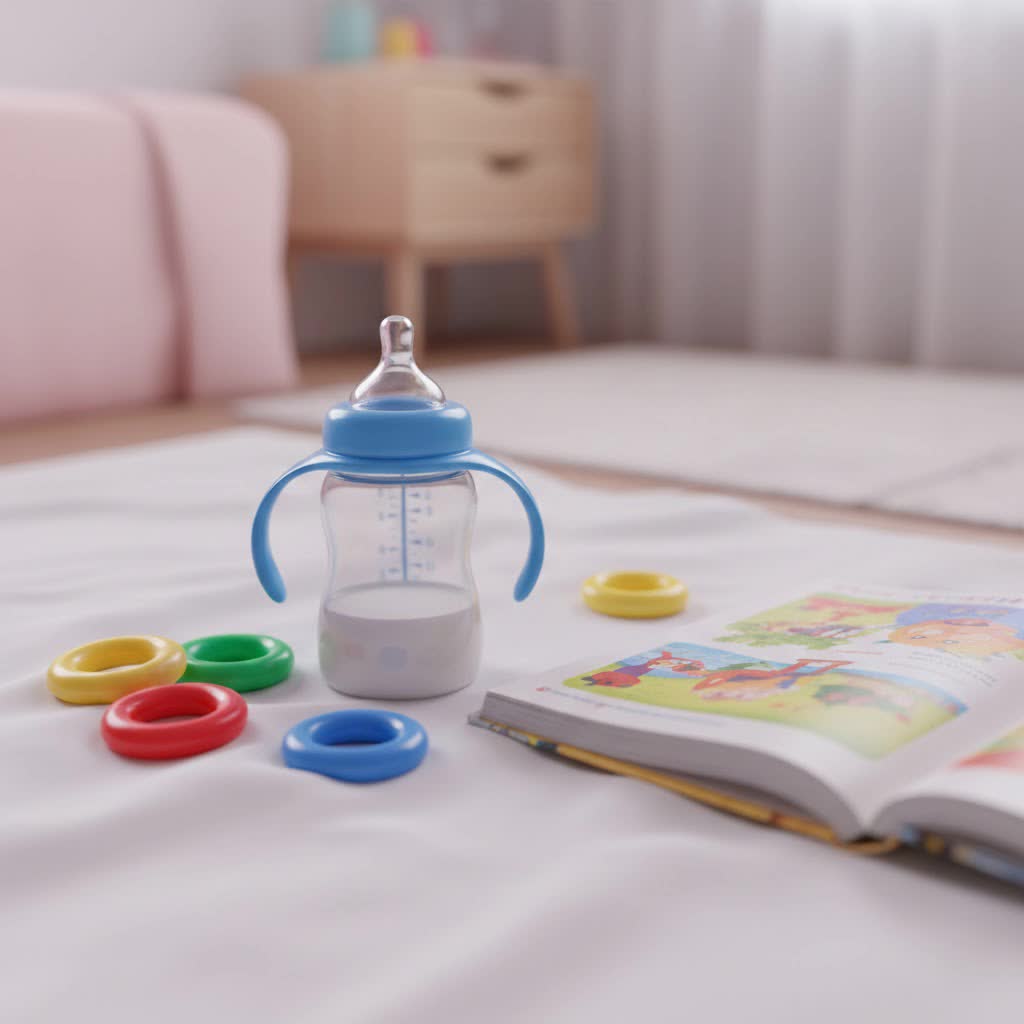
Welcoming a newborn is a joyous, life-changing experience, bringing with it a whirlwind of new responsibilities – and countless choices. Among the most crucial decisions for your little one’s early days is selecting the right milk bottle. This isn’t just about holding milk; it’s about comfort, safety, proper nutrition, and easing their feeding journey. Whether you’re exclusively bottle-feeding, combination feeding, or preparing for eventual transitions, the right baby bottle for newborn can make all the difference. With an abundance of options available, navigating the world of baby bottles can feel overwhelming. This guide aims to demystify the choices, helping you confidently select the ideal milk bottle for your newborn, ensuring their healthy development and your peace of mind.
Understanding Popular Milk Bottle Types
The market offers a wide array of baby bottles, varying by material and design. Each type presents unique benefits and considerations, directly impacting your newborn’s feeding experience and your daily routine. Understanding these differences is key to making an informed decision about the best milk bottle for your newborn.
By Material
The material of a baby bottle is a significant factor, influencing safety, durability, and ease of cleaning.
- Plastic Bottles (PP, PPSU, Tritan): These are often the most common and affordable option, prized for their lightweight and shatter-resistant nature. Modern plastic bottles are rigorously tested and are typically BPA-free, ensuring they don’t leach harmful chemicals. However, they can absorb odors and stains over time and may require replacement every few months to maintain hygiene. Some advanced plastics like PPSU offer superior durability and temperature resistance, combining the benefits of glass and plastic.
- Pros: Lightweight, durable, affordable, wide variety of designs.
- Cons: Can stain and retain odors, requires more frequent replacement, concerns about microplastics (though BPA-free).
- Glass Bottles: Many parents prefer glass for its inert properties, meaning it won’t leach chemicals into your baby’s milk. Glass bottles are highly hygienic, easy to clean, and retain their clarity over time. While heavier and more fragile than plastic, many modern glass bottles come with silicone sleeves for added protection against breakage and easier grip. They are also thermal shock-resistant, allowing safe transitions from refrigeration to warming.
- Pros: Non-toxic, easy to clean, durable (if cared for), doesn’t retain odors or stains.
- Cons: Heavier, prone to breaking if dropped, may not be allowed in some daycare settings.
- Silicone Bottles: Known for their soft, flexible, and squeeze-friendly design, silicone bottles are a popular choice, especially for breastfed babies who appreciate the tactile experience. They are unbreakable and lightweight, similar to plastic. However, they can be more expensive and may develop a sticky film or discolor over time. Some sources suggest silicone may not be completely non-toxic at very high temperatures or with prolonged contact with high-fat liquids like milk.
- Pros: Unbreakable, soft and flexible, lightweight, typically BPA-free.
- Cons: Can be more expensive, may develop stickiness or discoloration, difficult to gauge milk levels without clear markings.
- Stainless Steel Bottles: Offering exceptional durability and insulation, stainless steel bottles are a long-lasting and robust option. They are naturally BPA-free and can keep milk warm or cool for extended periods. However, their opacity makes it challenging to monitor milk levels, and they are typically the heaviest and most expensive option. They cannot be used in microwaves.
- Pros: Extremely durable, insulating, non-toxic, long-lasting.
- Cons: Opaque (hard to see contents), heaviest, cannot be microwaved, higher cost.
By Design and Nipple Shape
|
Our Picks for the Best Baby Bottle in 2026
As an Amazon Associate I earn from qualifying purchases.
|
||
| Num | Product | Action |
|---|---|---|
| 1 | Philips Avent Natural Baby Bottles with Natural Response Nipples (Slow Flow, Flow 2), 4oz, 4-Pack, SCY900/04 |

|
| 2 | Philips Avent Natural Glass Baby Bottles with Natural Response Nipples (Medium Flow, Flow 3), 8oz, 4-Pack, SCY913/04 |
|
| 3 | Dr. Brown's Natural Flow Anti-Colic Options+ Narrow Baby Bottle, 8 oz/250 mL, with Level 1 Slow Flow Nipples, 0m+, 4 Pack |
|
| 4 | Philips Avent Natural Baby Bottles with Natural Response Nipples (Medium Flow, Flow 3), 9oz, 4-Pack, SCY903/04 |
|
| 5 | Dr. Brown's Natural Flow Anti-Colic Options+ Narrow Baby Bottle, 4 oz/120 mL, with Level 1 Slow Flow Nipple, 0m+, 4 Pack |
|
| 6 | mushie Soft Spout Sippy Cup 10 fl oz - 6 Months+ (Dried Thyme) |
|
| 7 | Philips Avent Natural Glass Baby Bottles with Natural Response Nipples (Slow Flow, Flow 2), 4oz, 4-Pack, SCY910/04 |
|
| 8 | Dr.isla PPSU Learn-to-Drink Transition Sippy Cups with Leakproof Air Vent, Gravity Straw & Handles, 2 Lids for Babies & Toddlers 6–36 Months,9oz |
|
| 9 | Comotomo Baby Bottle Double Pack, Green, 8oz |
|
| 10 | Dr. Brown's Natural Flow Anti-Colic Options+ Narrow Glass Baby Bottle 8 oz/250 mL, with Level 1 Slow Flow Nipple, 4 Pack, 0m+ |
|
Beyond materials, the physical design of the bottle and its nipple significantly impact how your newborn feeds.
- Wide-Neck Bottles: These bottles feature a wider opening, making them easier to clean and fill. Their broader base often accommodates nipples designed to mimic the shape of a breast, which can be beneficial for babies transitioning between breast and bottle, helping to reduce “nipple confusion.”
- Narrow-Neck Bottles: The traditional design, these bottles are slimmer and easier for smaller hands to grasp (though newborns won’t be holding their own bottle initially). They are often more compact for storage and travel.
- Anti-Colic Bottles: Many newborns experience colic, gas, or reflux, often due to ingesting excess air during feeding. Anti-colic bottles are specifically designed with venting systems or unique nipple designs to minimize air bubbles in the milk, reducing discomfort for your baby. Brands like Dr. Brown’s are renowned for their intricate internal venting systems, while others, such as MAM, feature vented bases.
- Breast-Like Nipples: These nipples are shaped and textured to closely resemble a mother’s breast, encouraging a wide latch and natural sucking motion. They are particularly favored for combination feeding to help babies switch seamlessly between breast and bottle. Brands like Philips Avent Natural and Lansinoh are popular for their breast-like nipple designs.
- Slow-Flow Nipples: Crucial for newborns and premature babies, slow-flow nipples (often labeled size 0 or 1) ensure milk comes out at a gentle pace, mimicking breastfeeding and preventing your baby from being overwhelmed or choking. As your baby grows and their sucking strength develops, you can transition to faster flow rates.
Choosing the Right Milk Bottle: A Detailed Buying Guide
Selecting the perfect milk bottle for your newborn involves considering several critical factors to ensure their comfort, safety, and optimal feeding.
Important Criteria for Selection
- Baby’s Age and Development:
- Newborns (0-3 months): Prioritize slow-flow nipples (Size 0 or 1) to prevent choking and encourage a natural sucking pace. Smaller bottle sizes (2-4 ounces) are ideal for their smaller stomach capacity and frequent, smaller feeds.
- Feeding Needs:
- Breastfed Babies: Look for bottles with breast-like nipples and shapes that encourage a wide latch to minimize nipple confusion. Lansinoh and Philips Avent Natural are often recommended here. Paced bottle feeding can also support the breast-to-bottle transition.
- Colic/Gas/Reflux: Anti-colic bottles with effective venting systems are crucial. These designs reduce air intake, which can alleviate fussiness, gas, and spit-up. Dr. Brown’s Options+, MAM Easy Start Anti-Colic, and Philips Avent Anti-colic with AirFree Vent are popular choices. “When choosing a bottle for a reflux-prone baby, you’ll want to look for a bottle with a good venting system,” notes baby gear expert Stephanie Spaeth.
- Material Safety: Always choose BPA-free bottles. Many brands also explicitly state they are free from BPS, BPF, Phthalates, and PVC for enhanced safety. Glass and stainless steel are inherently free from these chemicals.
- Ease of Cleaning and Sterilization: Bottles with fewer parts and wide openings are generally easier to clean. Consider if the bottles are dishwasher-safe (top rack recommended) and compatible with your preferred sterilization method (boiling, steam sterilizer, UV sterilizer).
- Durability: Glass bottles are highly durable but can break if dropped. Plastic and silicone are more impact-resistant. Consider your lifestyle and how often bottles will be carried or handled.
- Budget: Bottle prices vary significantly by material and brand. While initial costs might be higher for glass or stainless steel, their longevity can offer long-term savings compared to frequently replacing plastic bottles. Multi-packs can often provide better value.
- Brand Reputation and Certifications: Opt for well-known brands with positive reviews and relevant safety certifications from reputable organizations.
Usage and Cleaning Tips
Proper usage and hygiene are paramount to your baby’s health.
- Sterilization: For newborns and infants up to 3-6 months, sterilizing bottles and nipples before each use is essential. Methods include:
- Boiling: Submerge disassembled bottle parts in boiling water for 5 minutes.
- Steam Sterilizers: Electric or microwave steam sterilizers are quick and efficient.
- Dishwasher: Use a hot wash cycle with a heated drying option if available.
- UV Sterilizers: A newer option that uses UV light to kill germs.
- Cleaning: After each feed, wash all bottle components (bottle, nipple, ring, cap) thoroughly with hot, soapy water and a bottle brush. Rinse well and allow to air dry completely on a drying rack. Ensure no milk residue remains, especially in nipples or anti-colic vents.
- Nipple Replacement: Nipples should be replaced every 2-3 months or sooner if they show signs of wear, discoloration, stickiness, swelling, or tearing. Worn nipples can harbor bacteria or deliver milk too quickly.
- Storage: Store clean, dry bottles in a clean, enclosed space. Always refrigerate prepared formula or expressed breast milk immediately.
Top Milk Bottles for Newborns (2024 Recommendations)
Based on expert recommendations and parent reviews, several baby bottles consistently stand out for their quality, design, and ability to meet newborn feeding needs.
- Philips Avent Natural Baby Bottle (Glass/Plastic):
- Highlights: Features a wide, breast-shaped nipple designed for a natural latch, making it excellent for breastfed babies. The anti-colic valve helps reduce discomfort by venting air into the bottle, not baby’s tummy. Available in both glass and BPA-free plastic.
- Why it’s great for newborns: The natural response nipple mimics the breast’s flow, requiring baby to actively suck.
- Dr. Brown’s Natural Flow Anti-Colic Options+ Baby Bottle:
- Highlights: Renowned for its unique internal vent system that eliminates air bubbles and vacuum, significantly reducing colic, burping, and gas. It also helps preserve milk nutrients. The “Options+” design allows use with or without the vent system.
- Why it’s great for newborns: Often recommended by pediatricians for babies with colic or reflux due to its superior anti-colic properties. “Dr. Brown’s was the one I used most,” shared former Chief Technologist Rachel Rothman, whose children had reflux. “I found the anti-colic feature helped with that.”
- Comotomo Baby Bottle:
- Highlights: Made from soft, squeezable silicone, these bottles feature a wide mound nipple that closely mimics the breast. Their flexible body and wide neck make them exceptionally easy to clean. Designed with anti-colic vents directly in the nipple.
- Why it’s great for newborns: The soft silicone and breast-like shape are ideal for breastfed babies and those prone to nipple confusion.
- Lansinoh Anti-Colic Baby Bottles for Breastfeeding Babies:
- Highlights: Specifically designed with a NaturalWave nipple that is clinically proven to reduce nipple confusion, allowing babies to switch easily between breast and bottle. It encourages natural oral development. Features a small vent to reduce air intake.
- Why it’s great for newborns: An excellent choice for combination feeding, providing a consistent feeding experience for newborns moving between breast and bottle.
- MAM Easy Start Anti-Colic Baby Bottle:
- Highlights: Features a vented base and a SkinSoft™ silicone nipple that is easily accepted by babies. The self-sterilizing function (in a microwave) adds immense convenience.
- Why it’s great for newborns: Its anti-colic design effectively reduces gas, and the nipple is designed for high acceptance, making it suitable for even picky eaters.
- Nanobebe Flexy Silicone Baby Bottle:
- Highlights: Made from soft, non-toxic silicone, this bottle is designed to be gentle and provides a familiar feel for babies. Its wide base and stable design are appreciated by parents.
- Why it’s great for newborns: The flexible, soft silicone is comfortable for tiny hands (eventually) and offers a comforting feeding experience.
Where to Purchase Milk Bottles
Finding the right milk bottle for your newborn is easier than ever with numerous reliable retailers:
- Large Baby Specialty Stores: Retailers like Babies “R” Us, Buy Buy Baby, and smaller independent baby boutiques offer a wide selection, knowledgeable staff, and often allow you to see and feel different bottles.
- Supermarkets and Pharmacies: Many larger grocery stores and drugstores carry popular baby bottle brands, offering convenience for everyday purchases.
- Online Retailers: E-commerce giants such as Amazon, Walmart.com, and Target.com provide the largest selection, competitive pricing, and user reviews to aid your decision. Brand-specific websites also offer direct purchases.
Always check for deals and bundles, especially when purchasing multiple bottles or starter sets.
Conclusion
Choosing the perfect milk bottle for your newborn is a deeply personal decision, influenced by your baby’s unique needs, your feeding style, and practical considerations. Remember that no single bottle is universally “best”; what works wonders for one baby might not suit another. By understanding the various materials, nipple designs, and anti-colic features available, you’re empowered to make a well-informed choice. Prioritize safety, comfort, and ease of use, and don’t hesitate to try a few different options to find the ideal milk bottle for newborn that supports a happy and healthy feeding journey for your little one.
What unique features have you found most helpful in a baby bottle for your newborn?
Frequently Asked Questions
What is the best nipple flow for a newborn?
For newborns, a slow-flow nipple (often labeled as Size 0 or 1) is generally recommended. This flow rate mimics the natural pace of breastfeeding, preventing milk from coming out too quickly, which can overwhelm your baby and lead to choking or excessive air intake. Starting with a slow flow helps your baby learn to coordinate sucking, swallowing, and breathing.
How many milk bottles does a newborn need?
For a newborn, having at least 4-6 bottles is a good starting point, especially if you plan to bottle-feed regularly or pump breast milk. This allows for multiple feeds between washes and ensures you always have a clean bottle ready. If you use bottles less frequently, 2-3 might suffice, but more are always convenient.
Can I use plastic bottles for my newborn?
Yes, you can use plastic bottles for your newborn, provided they are explicitly labeled as BPA-free. Many modern plastic bottles are safe, lightweight, and durable. However, be mindful that plastic bottles can scratch, stain, and absorb odors over time, requiring replacement every few months to maintain optimal hygiene.
What are anti-colic features in baby bottles?
Anti-colic features in baby bottles are designs aimed at reducing the amount of air your baby swallows during feeding, which can cause gas, fussiness, and colic. These features often include internal venting systems, specialized nipples with built-in valves, or unique bottle shapes that prevent air bubbles from mixing with the milk.
How often should I sterilize newborn milk bottles?
For newborns and infants up to 3-6 months of age, it is generally recommended to sterilize milk bottles and all their components before each use. After this period, thorough washing with hot, soapy water is usually sufficient, as your baby’s immune system develops. Always follow the manufacturer’s guidelines for sterilization and cleaning.
Is glass or silicone better for newborn bottles?
Both glass and silicone bottles offer distinct advantages for newborns. Glass is highly hygienic, non-toxic, and durable (though breakable), while silicone is unbreakable, lightweight, and soft. The “better” choice depends on your priorities: glass for chemical-free purity and longevity (if not dropped), and silicone for durability, flexibility, and a comforting feel.
Get our weekly buyer guide
Practical specs, not advice. Unsubscribe anytime.
