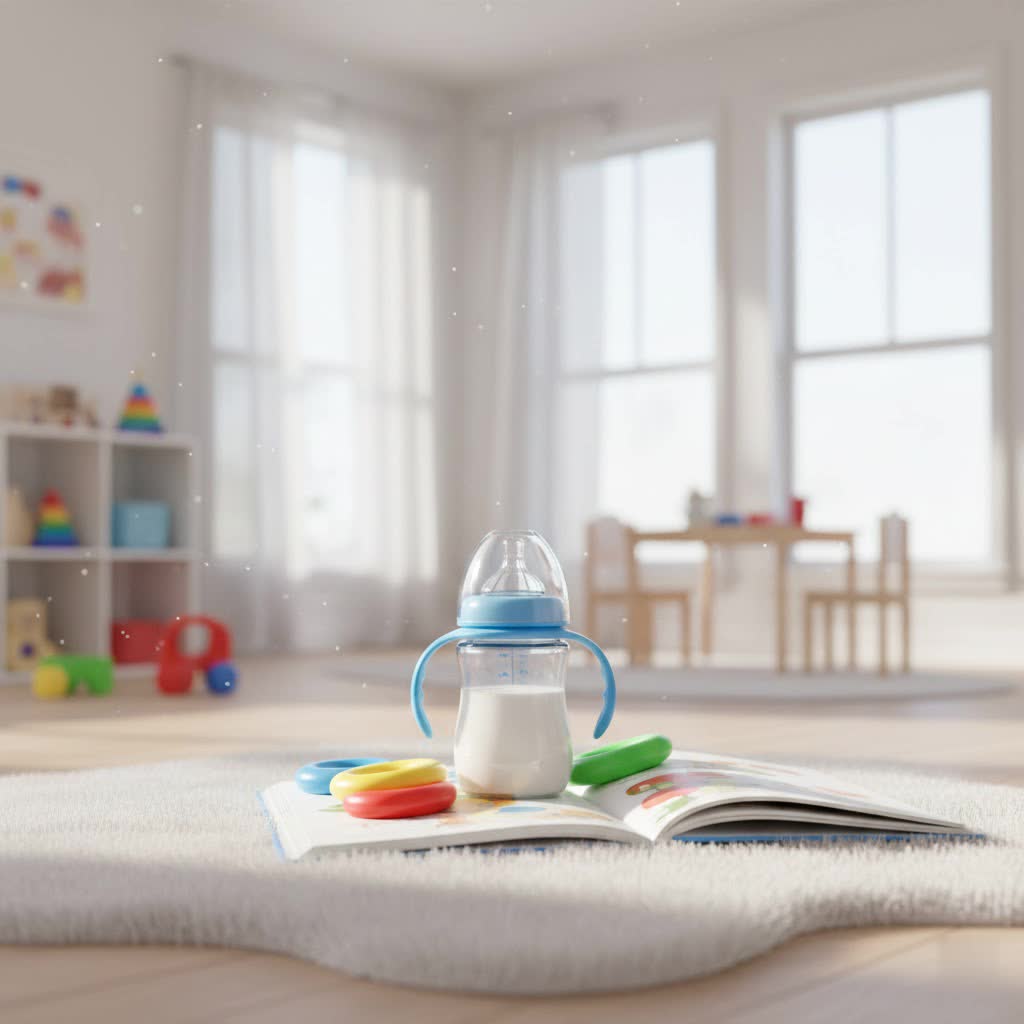
Navigating the world of baby feeding can often feel overwhelming, especially when your little one experiences discomfort from colic, gas, or reflux. As parents, we constantly seek the best solutions to ensure our babies are happy, healthy, and well-fed. Among the myriad of choices, Dr. Brown’s Natural Flow Glass Baby Bottles have earned a reputation as a trusted ally for many families. These aren’t just ordinary feeding bottles; they integrate an innovative design with the timeless purity of glass, aiming to provide a feeding experience that closely mimics breastfeeding and significantly reduces common feeding issues. This comprehensive guide will delve into what makes Dr. Brown’s glass baby bottles stand out, exploring their unique features, benefits, practical considerations, and how they can potentially transform your baby’s feeding journey.

Understanding Dr. Brown’s Natural Flow Glass Baby Bottles
Dr. Brown’s has been a pioneer in anti-colic bottle technology for decades, and their glass baby bottles extend this legacy by combining clinically proven benefits with the natural advantages of glass.
The Science Behind the Internal Vent System
At the heart of every Dr. Brown’s bottle is its patented internal vent system, a feature that truly sets it apart. This system creates a positive-pressure flow, which is akin to breastfeeding, allowing babies to feed at their own pace without fighting against a vacuum. By eliminating air bubbles and preventing air from mixing with the milk or formula, this vent system is clinically proven to reduce colic, spit-up, burping, and gas. Beyond comfort, this innovative design also helps to preserve essential nutrients in the milk, such as vitamins C, A, and E, which can often be diminished in unvented bottles where air can oxidize these delicate compounds. This means your baby receives more of the good stuff with every feed.
The Purity and Durability of Borosilicate Glass
The choice of material for baby bottles is a significant decision for many parents. Dr. Brown’s opts for borosilicate glass, renowned for its superior qualities. This type of glass is naturally BPA-free, lead-free, and phthalate-free, offering a pure feeding environment without concerns about chemicals leaching into your baby’s milk. Borosilicate glass is also exceptionally durable, resistant to thermal shock, meaning it can safely transition from cold temperatures (like the refrigerator) to warm (like a bottle warmer) without cracking or shattering. Furthermore, glass is impervious to odors and stains, ensuring your baby’s bottle remains pristine and hygienic even after countless washes and uses. Many parents appreciate the reassuring weight and high-quality feel that glass baby bottles provide.
Exploring Dr. Brown’s Glass Baby Bottle Options
Dr. Brown’s offers a variety of glass baby bottle options to suit different needs and preferences, primarily through their “Options+” line.
Options+ Series: Versatility for Growing Babies
|
Our Picks for the Best Baby Bottle in 2026
As an Amazon Associate I earn from qualifying purchases.
|
||
| Num | Product | Action |
|---|---|---|
| 1 | Philips Avent Natural Glass Baby Bottles with Natural Response Nipples (Slow Flow, Flow 2), 4oz, 4-Pack, SCY910/04 |

|
| 2 | mushie Soft Spout Sippy Cup 10 fl oz - 6 Months+ (Dried Thyme) |
|
| 3 | Comotomo Baby Bottle Double Pack, Green, 8oz |
|
| 4 | Dr. Brown's Natural Flow Anti-Colic Options+ Narrow Baby Bottle, 4 oz/120 mL, with Level 1 Slow Flow Nipple, 0m+, 4 Pack |
|
| 5 | Dr. Brown's Natural Flow Anti-Colic Options+ Narrow Glass Baby Bottle 8 oz/250 mL, with Level 1 Slow Flow Nipple, 4 Pack, 0m+ |
|
| 6 | Philips Avent Natural Baby Bottles with Natural Response Nipples (Medium Flow, Flow 3), 9oz, 4-Pack, SCY903/04 |
|
| 7 | Dr. Brown's Natural Flow Anti-Colic Options+ Narrow Baby Bottle, 8 oz/250 mL, with Level 1 Slow Flow Nipples, 0m+, 4 Pack |
|
| 8 | Philips Avent Natural Baby Bottles with Natural Response Nipples (Slow Flow, Flow 2), 4oz, 4-Pack, SCY900/04 |
|
| 9 | Philips Avent Natural Glass Baby Bottles with Natural Response Nipples (Medium Flow, Flow 3), 8oz, 4-Pack, SCY913/04 |
|
| 10 | Dr.isla PPSU Learn-to-Drink Transition Sippy Cups with Leakproof Air Vent, Gravity Straw & Handles, 2 Lids for Babies & Toddlers 6–36 Months,9oz |
|
The Options+ range is the evolution of Dr. Brown’s bottles, providing unparalleled versatility. These glass baby bottles can be used with or without the internal vent system. Initially, using the vent system provides the full range of anti-colic and nutrient-preserving benefits. As your baby grows and their feeding issues subside, you have the option to remove the vent. This simplifies cleaning and still allows for a more traditional bottle experience, extending the lifespan and utility of your bottles.
Narrow-Neck vs. Wide-Neck
Dr. Brown’s glass bottles are available in both narrow-neck and wide-neck designs.
- Narrow-Neck Bottles: These have a more traditional, slender shape and are often preferred for babies accustomed to classic bottle designs.
- Wide-Neck Bottles: Featuring a broader shape and a wider, breast-like silicone nipple, these are often recommended for breastfed babies transitioning to a bottle, as the wider nipple can encourage a more natural latch and make switching between breast and bottle easier.
Sizes and Nipple Flow Rates
Dr. Brown’s glass baby bottles typically come in two main sizes: 4 oz (120 ml) for newborns and smaller feeds, and 8 oz (250 ml) for older babies and larger volumes. Crucially, Dr. Brown’s offers a comprehensive range of nipple flow rates, from preemie and ultra-preemie to slow, medium, and fast flow. Matching the nipple flow to your baby’s age and feeding ability is vital for a comfortable and safe feeding experience, preventing frustration or overfeeding.
Protective Silicone Sleeves
Given the inherent delicate nature of glass, Dr. Brown’s glass bottles often come with or can be outfitted with silicone sleeves. These sleeves provide an extra layer of protection against accidental drops and also make the bottles easier for little hands to grip, adding peace of mind for parents.
Pros and Cons: An Honest Look at Dr. Brown’s Glass Bottles
While Dr. Brown’s glass baby bottles offer significant advantages, it’s important for parents to consider all aspects.
Advantages
- Clinically Proven Colic Relief: The primary benefit cited by countless parents is the remarkable reduction in colic, gas, spit-up, and burping due to the unique vent system.
- Nutrient Preservation: The vacuum-free feeding environment helps maintain higher levels of essential vitamins, supporting your baby’s healthy development.
- Pure and Safe Material: Borosilicate glass is naturally BPA-free and resistant to thermal shock, ensuring a safe and chemical-free feeding experience. It also doesn’t retain odors or stains.
- Consistent Flow: The vent system ensures a steady milk flow, allowing babies to feed comfortably at their own pace without nipple collapse.
- High-Quality Feel: Many parents appreciate the premium feel and aesthetic of glass compared to plastic bottles.
- Versatility with Options+: The ability to use the vent system or remove it as your baby grows adds flexibility and value.
Considerations
- More Parts to Clean: The internal vent system comprises several small parts, which means more components to wash and sterilize. This is a common complaint among parents, although a small cleaning brush is typically included to help.
- Weight and Bulk: Glass bottles are inherently heavier than their plastic counterparts, which can make them slightly bulkier for travel or for babies learning to hold their own bottle.
- Fragility: While borosilicate glass is durable and thermal shock-resistant, it is still glass and can break if dropped from a significant height or onto a hard surface. Silicone sleeves can mitigate this risk.
- Potential for Leaks: If the vent system is not assembled correctly, the bottle is overfilled, or the cap isn’t tightened properly, some users report leaks. Adhering strictly to assembly instructions is key.
- Initial Cost: Dr. Brown’s glass bottles may have a higher upfront cost compared to basic plastic alternatives, though their durability can make them a worthwhile investment over time.
Optimal Use and Care for Your Dr. Brown’s Glass Baby Bottles
Proper assembly, cleaning, and sterilization are crucial for the hygiene and performance of your Dr. Brown’s glass baby bottles.
Assembly Tips
Always ensure all parts of the vent system – the insert, reservoir, and vent tube – are correctly assembled before filling the bottle. For the Options+ bottles, decide whether you’re using the vent or not based on your baby’s needs. If using the vent, ensure it’s firmly in place and the nipple collar is tightened securely but not excessively, as over-tightening can sometimes cause leaks. Avoid overfilling the bottle past the maximum fill line.
Cleaning and Sterilization
Cleaning multiple parts can seem daunting, but it’s essential for maintaining hygiene.
- Disassemble: Fully disassemble all parts, including the nipple, collar, cap, and all vent components, after each use.
- Wash: Wash all parts thoroughly in hot, soapy water. Use the small cleaning brush provided by Dr. Brown’s to clean the tiny holes in the vent insert and reservoir. The main bottle can be cleaned with a standard bottle brush.
- Dishwasher Safe: Dr. Brown’s glass bottles and their components are generally top-rack dishwasher safe. Using a dishwasher basket for the smaller parts can help prevent them from getting lost.
- Sterilization: For the first use, it’s recommended to boil all parts in hot water for five minutes. For ongoing sterilization, you can use electric steam sterilizers, microwave steam sterilizers, or cold water sterilizing solutions. Always follow the manufacturer’s instructions for any sterilizing equipment. Do not sterilize the wire cleaning brush.
- Drying: Allow all parts to air dry completely on a clean drying rack to prevent mold or mildew.
Troubleshooting Common Issues
- Leaks: Most leaks are preventable. Ensure the vent system is properly assembled and pushed down firmly. Do not overfill the bottle. Tighten the nipple collar just enough to be secure, avoiding overtightening.
- Nipple Collapse: This typically occurs if the vent system isn’t functioning correctly (e.g., if using a non-vented bottle without its vent, or if a vent part is blocked). Ensure all vent holes are clean and clear.
Where to Find Dr. Brown’s Glass Baby Bottles
Dr. Brown’s glass baby bottles are widely available both online and in brick-and-mortar stores. You can typically find them at major baby retailers, large supermarkets with baby sections, and online marketplaces. Keep an eye out for starter kits, which often provide a selection of bottle sizes and nipple flows, along with essential cleaning accessories like the small brush.
Conclusion
Choosing the right baby bottle is a deeply personal decision that impacts both you and your little one’s comfort. Dr. Brown’s Natural Flow Glass Baby Bottles offer a compelling combination of an innovative anti-colic vent system and the natural purity of borosilicate glass. While the multi-part vent system requires diligent cleaning, the benefits of reduced colic, gas, and preserved nutrients often outweigh this extra step for many parents. By providing a feeding experience that minimizes air intake and supports a baby’s natural feeding rhythm, these glass baby bottles can be a game-changer for fussy eaters, making meal times more peaceful and enjoyable. Consider Dr. Brown’s glass bottles as a robust and thoughtful choice for your baby’s healthy development and feeding comfort.
Frequently Asked Questions
Are Dr. Brown’s glass bottles effective for colic and gas?
Yes, Dr. Brown’s glass baby bottles feature a patented internal vent system clinically proven to reduce colic, gas, burping, and spit-up by preventing air from mixing with the milk. This creates a vacuum-free feeding environment, mimicking breastfeeding.
Can I use Dr. Brown’s Options+ glass bottles without the vent system?
Absolutely. The Options+ series is designed to be versatile; you can use the bottles with the internal vent system for anti-colic benefits, or remove the vent as your baby grows and develops, making feeding simpler when not experiencing issues.
How do I prevent Dr. Brown’s glass bottles from leaking?
To prevent leaks, ensure all parts of the vent system are correctly and firmly assembled. Avoid overfilling the bottle beyond the maximum line, and tighten the nipple collar securely but not excessively.
Are Dr. Brown’s glass bottles difficult to clean?
Due to the internal vent system, Dr. Brown’s bottles have more parts than some other brands, which means more components to clean. However, they are top-rack dishwasher safe, and a small cleaning brush is included to help thoroughly clean the vent parts.
What are the main benefits of borosilicate glass in baby bottles?
Borosilicate glass is highly durable, resistant to thermal shock (allowing safe transitions between hot and cold temperatures), and naturally BPA-free. It does not absorb odors or stains, offering a pure and hygienic feeding experience for your baby.
Get our weekly buyer guide
Practical specs, not advice. Unsubscribe anytime.

We’ve been using Dr. Brown’s for a few weeks now, and they’ve definitely helped with our newborn’s gas. The glass feels really sturdy and I appreciate not having to worry about plastics. My only minor complaint is that they can be a bit heavy, especially when full, but that’s just the nature of glass bottles I guess. Overall, a solid choice for reducing feeding issues.
I wanted to love these Dr. Brown’s glass bottles because of the promise to reduce colic, but I’m still on the fence. While the glass is nice and easy to sterilize, the internal vent system has so many parts to wash. It feels like I’m constantly scrubbing tiny pieces, and sometimes it’s hard to get them completely dry. My baby’s colic hasn’t completely disappeared either, which is a bit disappointing.
I was so hesitant to switch from plastic, but these Dr. Brown’s glass bottles have been a game-changer for my baby’s reflux. The natural flow system really does make a difference, and I’ve noticed way less spit-up after feeds. Cleaning them is a bit more involved with the vent system, but it’s totally worth it for the peace of mind knowing my little one is more comfortable.
These bottles are fantastic for mimicking breastfeeding! My second baby had a hard time latching to other bottles, but the design of Dr. Brown’s Natural Flow system made the transition so much smoother. The purity of glass is also a huge plus for me, as I’m trying to minimize plastic exposure. Highly recommend for any parent looking for a more natural feeding experience.