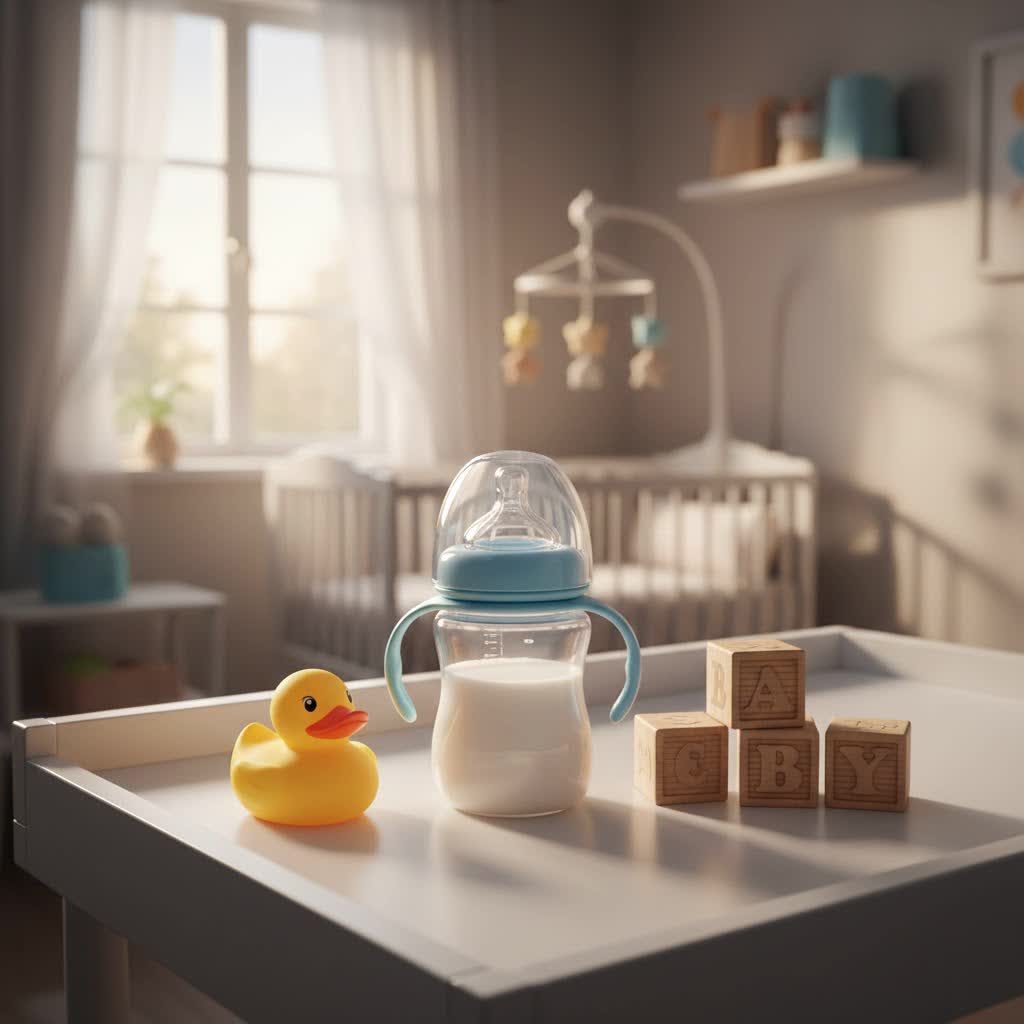
Welcoming a newborn into your life brings unparalleled joy, alongside a whirlwind of responsibilities. Among the many choices new parents face, deciding how to safely and efficiently warm your baby’s milk is a significant one. While traditional methods like placing a bottle in a bowl of hot water might seem sufficient, a dedicated breast milk warmer offers unmatched convenience, speed, and most importantly, safety, ensuring your little one receives their nourishment at the perfect temperature every time.
In the fast-paced journey of parenthood, a reliable breast milk warmer can be a true game-changer, especially during those demanding nighttime feedings. This comprehensive guide will navigate you through the world of breast milk warmers, from understanding their crucial benefits to identifying the key features that will help you select the ideal device for your family’s needs. Let’s explore how to make feeding times smoother, safer, and more nurturing for your baby. For expert baby feeding reviews on this site.
Why a Breast Milk Warmer is an Essential Tool for Parents
For parents who bottle-feed, particularly with breast milk, a dedicated warmer is far more than a luxury; it’s a vital piece of equipment. Here’s why it stands out from other warming methods:
Preserving Precious Nutrients
Breast milk is often called “liquid gold” for a reason – it’s packed with essential antibodies and nutrients vital for your baby’s development and immunity. Rapid or uneven heating, such as that often experienced in a microwave, can degrade these sensitive components, diminishing the milk’s nutritional value. Breast milk warmers are specifically designed to heat milk gently and evenly, often to a precise temperature range (typically 98-105 degrees Fahrenheit), which is crucial for maintaining the integrity of these vital properties.
Unmatched Convenience and Speed
Imagine a hungry, crying baby in the middle of the night. Every second counts. A breast milk warmer can prepare a bottle significantly faster than boiling water on the stove or running a bottle under warm tap water. Many models offer quick-warm settings, delivering ready-to-feed milk in just a few minutes, turning a potentially stressful situation into a calm feeding experience. For busy parents, this speed and convenience are invaluable.
Enhanced Safety for Your Little One
One of the primary dangers of alternative warming methods is the risk of “hot spots”—unevenly heated areas within the milk that can scald your baby’s delicate mouth and throat. Breast milk warmers are engineered to eliminate this risk by ensuring uniform temperature distribution throughout the bottle. They also come with safety features like automatic shut-off and precise temperature controls, preventing overheating and ensuring the milk is always safe for consumption. Unlike microwaves, which can heat liquids to dangerously high temperatures, warmers offer a controlled and predictable heating environment.
Optimal Comfort for Your Baby
|
Our Picks for the Best Baby Bottle in 2026
As an Amazon Associate I earn from qualifying purchases.
|
||
| Num | Product | Action |
|---|---|---|
| 1 | Dr. Brown's Natural Flow Anti-Colic Options+ Narrow Baby Bottle, 8 oz/250 mL, with Level 1 Slow Flow Nipples, 0m+, 4 Pack |

|
| 2 | Philips Avent Natural Baby Bottles with Natural Response Nipples (Slow Flow, Flow 2), 4oz, 4-Pack, SCY900/04 |
|
| 3 | mushie Soft Spout Sippy Cup 10 fl oz - 6 Months+ (Dried Thyme) |
|
| 4 | Dr. Brown's Natural Flow Anti-Colic Options+ Narrow Glass Baby Bottle 8 oz/250 mL, with Level 1 Slow Flow Nipple, 4 Pack, 0m+ |
|
| 5 | Comotomo Baby Bottle Double Pack, Green, 8oz |
|
| 6 | Philips Avent Natural Glass Baby Bottles with Natural Response Nipples (Slow Flow, Flow 2), 4oz, 4-Pack, SCY910/04 |
|
| 7 | Philips Avent Natural Glass Baby Bottles with Natural Response Nipples (Medium Flow, Flow 3), 8oz, 4-Pack, SCY913/04 |
|
| 8 | Philips Avent Natural Baby Bottles with Natural Response Nipples (Medium Flow, Flow 3), 9oz, 4-Pack, SCY903/04 |
|
| 9 | Dr.isla PPSU Learn-to-Drink Transition Sippy Cups with Leakproof Air Vent, Gravity Straw & Handles, 2 Lids for Babies & Toddlers 6–36 Months,9oz |
|
| 10 | Dr. Brown's Natural Flow Anti-Colic Options+ Narrow Baby Bottle, 4 oz/120 mL, with Level 1 Slow Flow Nipple, 0m+, 4 Pack |
|
While babies can drink cold milk, warm milk more closely mimics the temperature of breast milk directly from the source, making it a comforting and familiar experience for your infant. Warm milk can also be more soothing and easier for some babies to digest, potentially reducing fussiness during feeding times.
Exploring the Different Types of Breast Milk Warmers
The market offers a variety of breast milk warmers, each employing a different heating method with its own set of advantages and considerations. Understanding these types will help you narrow down your choices.
Water Bath Warmers
These warmers gently heat a bottle by circulating warm water around it. This method is often recommended for breast milk due to its ability to warm slowly and evenly, preserving nutrients.
- Pros: Gentle and consistent heating, ideal for preserving breast milk nutrients. Many models can also safely defrost frozen breast milk bags.
- Cons: Generally slower compared to steam warmers. Requires regular refilling of water and cleaning to prevent mineral buildup.
- Examples: Dr. Brown’s MilkSPA Breast Milk and Bottle Warmer, Kiinde Kozii Bottle Warmer.
Steam Warmers
Steam warmers use a small amount of water to create steam, which quickly heats the bottle. They are known for their speed, making them a popular choice for formula and sometimes breast milk.
- Pros: Extremely fast heating times, often ready in a few minutes. Many come with sterilizing functions, adding versatility.
- Cons: Can sometimes create hot spots if not designed with advanced temperature control. Requires careful monitoring to prevent overheating.
- Examples: The First Years 2-in-1 Simple Serve Bottle Warmer, Grownsy 8-in-1 Fast Baby Bottle Warmer.
Waterless Warmers (Hot Air)
A newer innovation, waterless warmers use circulating warm air to heat the bottle. This method eliminates the need for water refills and tedious cleaning of water basins.
- Pros: No water, no mess, no descaling needed. Often includes features like gentle rocking to ensure even heat distribution.
- Cons: Can be more expensive. May not offer a “keep warm” function as effectively as water-based models. Specific warming times must be determined by the user.
- Examples: Baby Brezza AirSwirl Bottle Warmer.
Portable/Travel Warmers
Designed for parents on the go, these warmers are compact, often battery-powered, or thermos-style, allowing for warm bottles away from home.
- Pros: Ultimate convenience for travel, outings, or car trips. Some are battery-powered and rechargeable, offering true cordless use.
- Cons: Smaller capacity, may take longer to heat, and battery life can be a limitation. Some portable options require direct contact with milk, necessitating thorough cleaning after each use.
- Examples: Baby’s Brew Portable Bottle Warmer Pro, Momcozy Superfast Portable Breast Milk & Water Warmer for Travel.
Key Factors to Consider When Choosing a Breast Milk Warmer
With an array of options available, selecting the perfect breast milk warmer can feel overwhelming. Focus on these critical factors to make an informed decision:
- Safety and Temperature Control: This is paramount for breast milk. Look for warmers with precise temperature settings (ideally within 98-105°F), auto shut-off features to prevent overheating, and clear indicators. BPA-free materials are also a must. Some advanced models include multiple temperature sensors for direct liquid monitoring and prevention of hot spots.
- Warming Speed: A quick warm is often essential when dealing with a hungry infant. Compare the stated warming times for different models, especially for refrigerated or frozen milk volumes you typically use.
- Compatibility: Ensure the warmer accommodates your preferred bottle brands and sizes, as well as breast milk storage bags if you use them. Universal warming chambers are a huge plus, preventing the need for adapters or multiple warmers.
- Ease of Cleaning and Maintenance: Busy parents need devices that are simple to clean. Look for models with easily accessible components, minimal crevices where mold or bacteria can grow, and ideally, dishwasher-safe parts. Waterless warmers often require the least internal cleaning.
- Portability: Consider your lifestyle. If you travel frequently or need to warm milk outside the home, a compact, battery-powered, or thermos-style portable warmer is indispensable. For mostly home use, a countertop model might offer more features and consistent performance.
- Additional Features: Many modern warmers offer more than just heating. Look for features like:
- Defrost function: Safely thaws frozen breast milk.
- Sterilizing capabilities: Some units can sterilize pacifiers, bottle nipples, and small accessories.
- Food warming: Extends the warmer’s utility beyond the infant stage.
- “Keep Warm” function: Maintains a desired temperature for a period, useful for staggered feedings.
- Smart connectivity: App-controlled features for convenience, though this isn’t always a deal-breaker.
- Budget: Breast milk warmers range significantly in price. Determine what features are most important to you and find a model that fits your financial comfort zone without compromising essential safety and functionality.
Top Breast Milk Warmers to Consider
Here’s a look at some highly-rated breast milk warmers that cater to different needs:
- Philips AVENT Baby Bottle Warmer: Often praised for its simplicity and reliability. It offers quick and even warming, along with defrost and baby food warming settings, making it a versatile choice for many families.
- Dr. Brown’s MilkSPA Breast Milk and Bottle Warmer: Specifically designed with breast milk in mind, this warmer boasts precise temperature controls and pre-programmed settings to preserve nutrient content while safely thawing and warming.
- Baby’s Brew Portable Bottle Warmer Pro: For parents on the go, this cordless, battery-powered warmer is a lifesaver. It’s compact, fits in a diaper bag, and offers four temperature settings for precise warming away from home.
- Grownsy 9-in-1 Bottle Warmer: A multi-functional and compact option that includes defrosting, sterilizing, and food warming features. Its intuitive controls and ability to fit most bottles and milk bags make it a popular all-in-one solution.
- The First Years 2-in-1 Simple Serve Bottle Warmer: An excellent budget-friendly option that combines warming with a sterilizing function. It’s straightforward to use, though its steam-based heating requires careful monitoring to prevent overheating.
- Baby Brezza AirSwirl Bottle Warmer: This innovative warmer uses waterless, circulating hot air to gently warm milk, eliminating the need for water refills and simplifying cleanup. Its gentle rocking motion ensures even heating and prevents hot spots.
Tips for Using Your Breast Milk Warmer Safely
Even with the most advanced warmer, safe practices are key to protecting your baby and their milk.
- Always Read the Manual: Follow the manufacturer’s instructions for both use and cleaning diligently. Each warmer has specific guidelines for optimal performance and safety.
- Test the Temperature: Before giving the bottle to your baby, always test a few drops of milk on the inside of your wrist. It should feel lukewarm, not hot. If using a thermometer, aim for 98-105 degrees Fahrenheit.
- Clean Regularly: Bottle warmers create warm, moist environments that can harbor bacteria. Clean your device thoroughly after each use or as recommended by the manufacturer to prevent germ buildup. Descale water-based warmers periodically.
- Avoid Overheating: Overheating breast milk can destroy its valuable nutrients and create scalding hazards. Stick to recommended warming times and temperatures. Never use a microwave for breast milk.
- Swirl, Don’t Shake: After warming, gently swirl the bottle to mix the milk and distribute heat evenly. Avoid shaking vigorously, as this can potentially damage milk proteins.
Conclusion
Choosing the right breast milk warmer is an investment in both your baby’s health and your peace of mind. By providing safe, consistently warmed milk, these devices offer unparalleled convenience and help preserve the precious nutrients that breast milk provides. Whether you prioritize speed, portability, or multi-functionality, there’s a perfect warmer out there designed to simplify your feeding routine and support your baby’s healthy development.
With so many excellent options available, what features will make a breast milk warmer an indispensable tool for your family?
Get our weekly buyer guide
Practical specs, not advice. Unsubscribe anytime.
