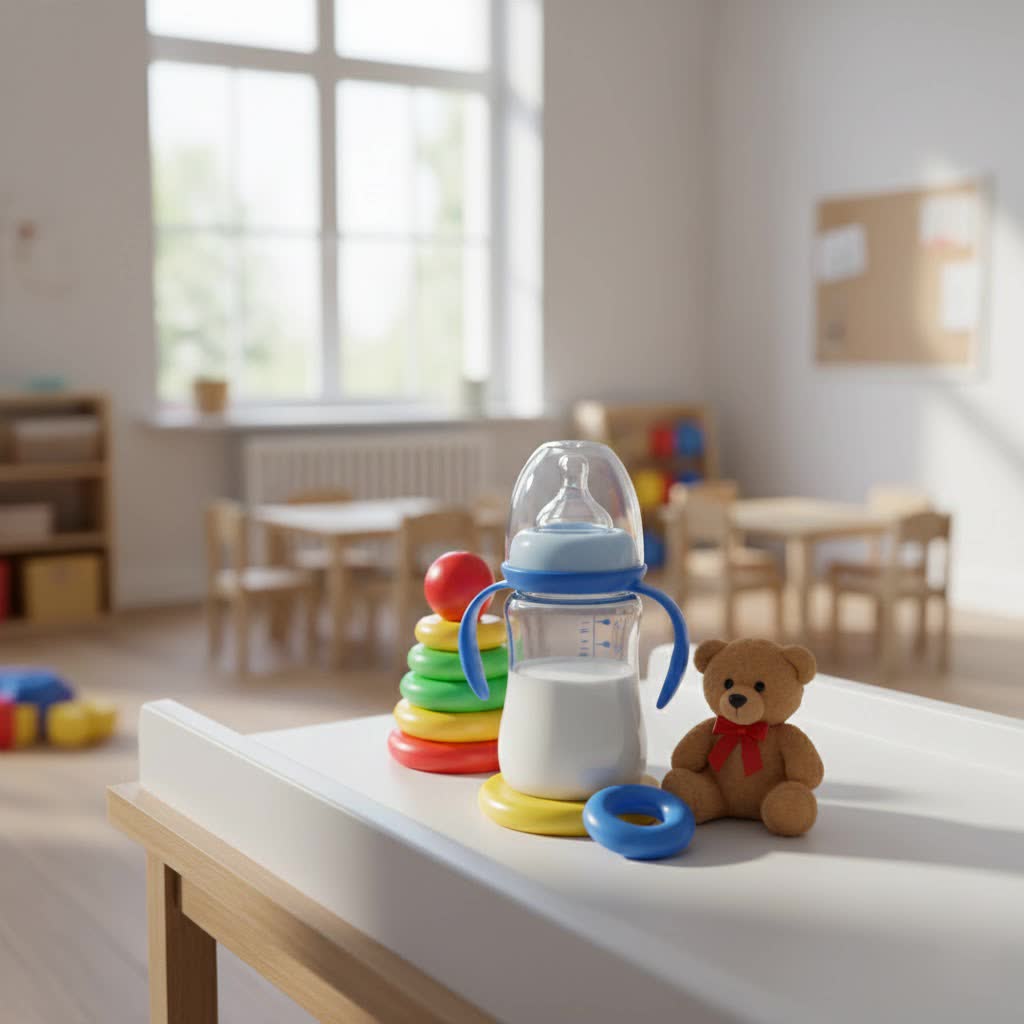
Choosing the right baby bottle is a pivotal decision for any parent, one that impacts not only feeding convenience but also a baby’s health and comfort. In a market flooded with options, glass baby bottles have made a significant comeback, championed for their purity and durability. Among these, Philips Avent glass baby bottles stand out as a preferred option, offering a thoughtful blend of safety, innovative design, and a feeding experience that closely mimics nature.
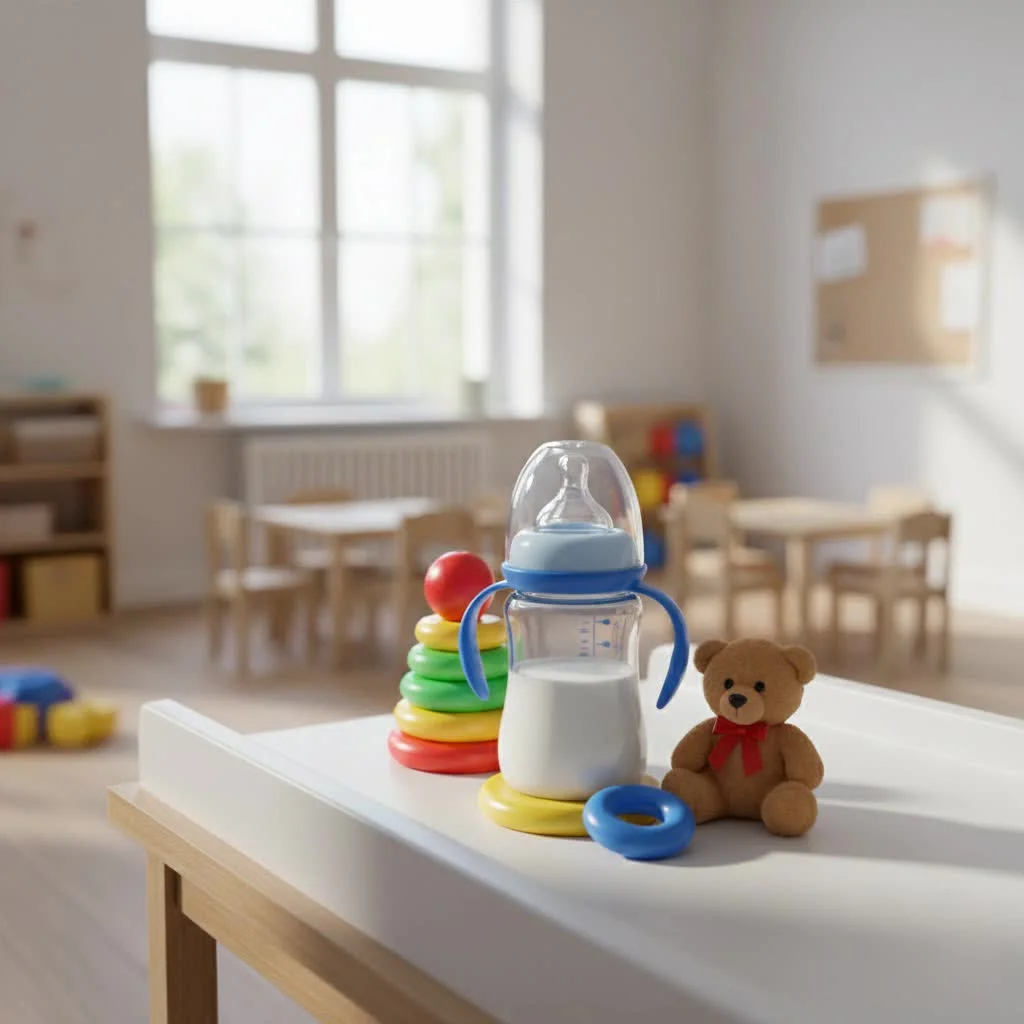
For many parents, the concern over chemicals leaching from plastic bottles into their baby’s milk has led to a natural shift towards safer alternatives. Glass provides a chemical-free, stable environment for milk, offering peace of mind during every feed. Philips Avent has leveraged this intrinsic advantage, crafting a line of glass bottles designed to support a baby’s natural feeding rhythm while prioritizing safety and ease of use for parents.
Why Opt for Glass Baby Bottles?
The preference for glass baby bottles is rooted in several compelling benefits that address key parental concerns:
- Chemical Purity: Glass, particularly pharmaceutical-grade borosilicate glass, is inherently free from BPA, phthalates, and other potential endocrine-disrupting chemicals found in some plastics. This means no microplastics or harmful substances can leach into your baby’s milk, even when heated to high temperatures during warming or sterilization.
- Durability and Longevity: While the initial thought of glass might suggest fragility, high-quality glass bottles are surprisingly robust. They don’t degrade over time, won’t scratch or become cloudy like plastic, and can withstand repeated sterilization cycles without compromising their integrity. A well-maintained glass bottle can last for years, offering excellent long-term value.
- Easy to Clean and Sterilize: Glass is non-porous and resistant to stains and odors, making it exceptionally easy to clean. Whether hand-washed, put in a dishwasher, or sterilized in boiling water or a steam sterilizer, glass bottles emerge pristine every time. This ensures optimal hygiene with minimal effort.
- Maintaining Milk Quality: The inert nature of glass helps preserve the freshness and purity of breast milk or formula. There’s no absorption of flavors or odors, ensuring that every feed tastes as it should, without any unwanted contaminants.
Introducing Philips Avent Glass Baby Bottles
Philips Avent has established itself as a trusted name in infant care, and their glass baby bottles exemplify their commitment to innovation and baby well-being. These bottles are meticulously crafted from premium quality borosilicate glass, renowned for its strength and resistance to thermal shock. This makes them safe for a wide range of temperatures, from fridge storage to warming and sterilization, without the risk of breakage or degradation.
At the heart of the Philips Avent glass bottle system is the revolutionary “Natural Response Nipple.” This nipple is engineered to work in harmony with a baby’s natural feeding rhythm, allowing milk to be released only when the baby actively sucks and compresses the nipple, much like breastfeeding. When the baby pauses to swallow and breathe, the milk flow stops, preventing accidental spills and promoting a more controlled, comfortable feeding experience. This design is crucial for parents looking to seamlessly combine breast and bottle feeding, minimizing the risk of nipple confusion.
Key Features and Benefits of Philips Avent Glass Bottles
|
Our Picks for the Best Baby Bottle in 2026
As an Amazon Associate I earn from qualifying purchases.
|
||
| Num | Product | Action |
|---|---|---|
| 1 | Philips Avent Natural Glass Baby Bottles with Natural Response Nipples (Medium Flow, Flow 3), 8oz, 4-Pack, SCY913/04 |

|
| 2 | Dr. Brown's Natural Flow Anti-Colic Options+ Narrow Baby Bottle, 4 oz/120 mL, with Level 1 Slow Flow Nipple, 0m+, 4 Pack |
|
| 3 | Philips Avent Natural Baby Bottles with Natural Response Nipples (Medium Flow, Flow 3), 9oz, 4-Pack, SCY903/04 |
|
| 4 | Dr.isla PPSU Learn-to-Drink Transition Sippy Cups with Leakproof Air Vent, Gravity Straw & Handles, 2 Lids for Babies & Toddlers 6–36 Months,9oz |
|
| 5 | Dr. Brown's Natural Flow Anti-Colic Options+ Narrow Glass Baby Bottle 8 oz/250 mL, with Level 1 Slow Flow Nipple, 4 Pack, 0m+ |
|
| 6 | Philips Avent Natural Glass Baby Bottles with Natural Response Nipples (Slow Flow, Flow 2), 4oz, 4-Pack, SCY910/04 |
|
| 7 | Philips Avent Natural Baby Bottles with Natural Response Nipples (Slow Flow, Flow 2), 4oz, 4-Pack, SCY900/04 |
|
| 8 | mushie Soft Spout Sippy Cup 10 fl oz - 6 Months+ (Dried Thyme) |
|
| 9 | Dr. Brown's Natural Flow Anti-Colic Options+ Narrow Baby Bottle, 8 oz/250 mL, with Level 1 Slow Flow Nipples, 0m+, 4 Pack |
|
| 10 | Comotomo Baby Bottle Double Pack, Green, 8oz |
|
Philips Avent Natural Glass Baby Bottles offer a suite of features designed to enhance safety, promote natural feeding, and simplify daily routines for parents:
- Unrivaled Safety and Purity: Made from pharmaceutical-grade borosilicate glass, these bottles guarantee a pure feeding experience, free from BPA and other harmful chemicals. This material is highly resistant to heat and thermal shock, ensuring the bottle’s integrity during warming, cooling, and sterilization.
- Mimicking Natural Feeding with the Natural Response Nipple: The wide, breast-shaped nipple with its unique petal design promotes a natural latch. Its innovative opening releases milk only when your baby actively drinks, allowing them to suck, swallow, and breathe at their own pace, mirroring the natural rhythm of breastfeeding. This feature is particularly beneficial for infants transitioning between breast and bottle.
- Advanced Anti-Colic System: Integrated into the nipple is an anti-colic twin valve venting system. This clever design directs air away from your baby’s tummy and into the bottle, significantly reducing the ingestion of air. The result is a noticeable decrease in fussiness, gas, burping, and spit-up, leading to a more comfortable feeding and post-feeding experience for your little one.
- Exceptional Durability and Longevity: Despite being glass, these bottles are remarkably robust. They are designed to withstand the rigors of daily use and even accidental drops, demonstrating impressive resistance to scratches and cracks. This durability means they can last for years, often through multiple children, making them a sustainable choice.
- Effortless Cleaning and Maintenance: The wide neck of the Philips Avent glass bottles simplifies both filling and cleaning. With only a few parts (bottle, nipple, and ring), assembly and disassembly are quick and easy. All components are dishwasher and sterilizer safe, streamlining your cleaning routine and ensuring optimal hygiene.
Navigating Nipple Flow Rates
One common point of discussion among parents is the nipple flow rate, especially with the Philips Avent Natural Response nipples. Unlike traditional nipples where milk flows continuously when inverted, the Natural Response nipple requires active sucking. This design is intentional, aiming to replicate the varying suction and compression required during breastfeeding.
While Philips Avent provides age guidelines for their nipple flow rates, every baby feeds differently and develops at their own pace. Some newborns might struggle with the slowest flow (often labeled 0 or 1), finding it requires too much effort, leading to frustration or falling asleep during feeds. Conversely, a very fast flow might overwhelm some babies, causing them to gulp or choke.
Tips for finding the right flow:
- Observe Your Baby: Pay close attention to your baby’s cues. If they are struggling to get milk, collapsing the nipple, or getting unusually sleepy during feeds, consider sizing up the nipple flow.
- Slow Down if Needed: If your baby is gulping, coughing, or milk is leaking excessively from their mouth, the flow might be too fast. In such cases, try a nipple with a slower flow.
- Don’t Rely Solely on Age: The age recommendations are guidelines, not strict rules. Many parents find their newborns thrive on a size 2 or even 3 nipple, despite the packaging suggesting older ages. Prioritize your baby’s comfort and feeding efficiency over age labels.
Potential Considerations
While Philips Avent glass bottles offer numerous advantages, it’s also important to consider a few factors:
- Weight: Glass bottles are inherently heavier than their plastic counterparts. While this often signifies quality, it can become a consideration as your baby grows and begins to hold their own bottle. For travel, some parents opt for plastic or silicone bottles due to the reduced weight and perceived lower risk of breakage.
- Initial Cost: Glass bottles typically have a higher upfront cost compared to plastic. However, their superior durability and longevity often translate to better value in the long run, as they don’t need frequent replacement due to wear, scratches, or chemical concerns.
- Leakage: A few users have reported minor leakage issues, often related to the anti-colic vent or if the bottle components (especially the ring and nipple) are not completely dry or are improperly aligned or screwed on too tightly. Ensuring proper assembly and alignment can mitigate these concerns.
Philips Avent Glass Bottles vs. Other Materials: A Quick Comparison
| Feature | Philips Avent Glass Bottles | Plastic Bottles (BPA-free) | Silicone Bottles |
|---|---|---|---|
| Material Purity | Excellent (no leaching chemicals, microplastics) | Good (BPA-free, but can still leach microplastics with heat/wear) | Excellent (food-grade silicone, stable) |
| Durability | High (thermal shock resistant, long-lasting, resistant to scratches/odors) | Moderate (can degrade, scratch, get cloudy, needs frequent replacement) | High (flexible, very resistant to breakage) |
| Weight | Heavier | Lightweight | Lightweight |
| Ease of Cleaning | Very Easy (non-porous, wide neck, stain-resistant, dishwasher/sterilizer safe) | Easy (can retain odors/stains over time, may need frequent replacement) | Easy (can attract lint, some can feel sticky over time) |
| Thermal Resistance | Excellent (safe for heating, cooling, sterilization) | Moderate (can be affected by high heat, increasing chemical leaching risk) | Excellent (food-grade silicone can withstand high temperatures) |
| Breast-Like Nipple | Yes (Natural Response nipple mimics breastfeeding with baby-controlled flow) | Varies by brand | Varies by brand |
| Anti-Colic System | Yes (integrated twin valve) | Varies by brand (some have complex venting systems) | Varies by brand |
| Cost | Higher initial cost, excellent long-term value | Lower initial cost, higher long-term cost due to frequent replacement | Moderate to high initial cost |
Tips for Using Your Philips Avent Glass Bottles
To maximize your experience with Philips Avent glass baby bottles, consider these practical tips:
- Proper Assembly: Ensure the nipple and ring are correctly assembled. While the Natural Response nipple’s vent works from any position, some parents find visual alignment helpful for consistency. Make sure the ring is screwed on securely but not overtightened, which could affect the vent.
- Thorough Cleaning: Always wash bottles immediately after use to prevent milk residue from drying. Use a bottle brush for thorough cleaning, especially within the nipple’s petal design. All parts are dishwasher and sterilizer safe for ultimate convenience.
- Safe Sterilization: Philips Avent glass bottles are compatible with various sterilization methods, including boiling water, steam sterilizers, and UV sterilizers. Always follow the manufacturer’s instructions for your chosen sterilizer.
- Safe Handling: While durable, glass can break if subjected to extreme force. Handle with care, especially during filling and cleaning. Silicone sleeves are available for added grip and protection, though many parents find the natural grip of the bottle sufficient.
- Mix and Match Nipples: that Philips Avent offers various nipple flow rates. Don’t hesitate to experiment with different sizes to find the perfect fit for your baby’s individual feeding needs, regardless of age recommendations.
“The true measure of a great baby bottle isn’t just its material, but how well its design supports a baby’s instinctual feeding journey. Philips Avent’s commitment to mimicking natural rhythms with their glass bottles makes them a standout.” – Dr. Emily R., Pediatric Feeding Specialist
Conclusion
For parents seeking a superior feeding solution that prioritizes health, comfort, and sustainability, Philips Avent glass baby bottles present an outstanding choice. Their pharmaceutical-grade borosilicate glass construction ensures unmatched purity and durability, while the innovative Natural Response Nipple fosters a feeding experience remarkably similar to breastfeeding. By combining these essential elements with an effective anti-colic system and easy maintenance, these bottles offer a comprehensive package for nurturing your baby’s growth.
The best bottle is the one your baby accepts and that aligns with your family’s values and lifestyle. Philips Avent glass bottles offer a compelling blend of advanced features and peace of mind, empowering you to provide the purest, most natural feeding experience possible. Have you considered making the switch to glass for your baby?
Frequently Asked Questions
Are Philips Avent glass bottles truly safe for my baby?
Yes, Philips Avent glass bottles are made from pharmaceutical-grade borosilicate glass, which is free from BPA, phthalates, and other harmful chemicals. This material is highly stable and does not leach microplastics or other substances into your baby’s milk, even when exposed to high temperatures, ensuring a pure and safe feeding experience.
How often should I replace Philips Avent glass bottle nipples?
Nipples, regardless of material, should be replaced regularly for hygiene and proper function. Philips Avent recommends replacing silicone nipples every 3 months or sooner if you notice any signs of wear, stickiness, discoloration, or damage. Always inspect nipples before each use.
Can I put Philips Avent glass bottles in the freezer?
Yes, Philips Avent glass bottles are made from thermal shock-resistant borosilicate glass, meaning they can safely be stored in the fridge or freezer without cracking. This makes them ideal for storing expressed breast milk or prepared formula.
Why is my Philips Avent Natural Response nipple flow so slow?
The Philips Avent Natural Response nipple is designed to release milk only when your baby actively sucks, mimicking the natural pace of breastfeeding. If your baby seems to be working too hard, falling asleep during feeds, or getting frustrated, the flow might be too slow for their feeding style. Consider trying a nipple with a higher flow rate, as age recommendations are just guidelines.
How do Philips Avent glass bottles help with colic?
Philips Avent glass bottles feature a Natural Response nipple with an integrated anti-colic twin valve system. This design works by venting air into the bottle and away from your baby’s tummy during feeding. By reducing air ingestion, the system helps minimize gas, burping, and spit-up, thereby alleviating symptoms of colic and discomfort.
Get our weekly buyer guide
Practical specs, not advice. Unsubscribe anytime.
