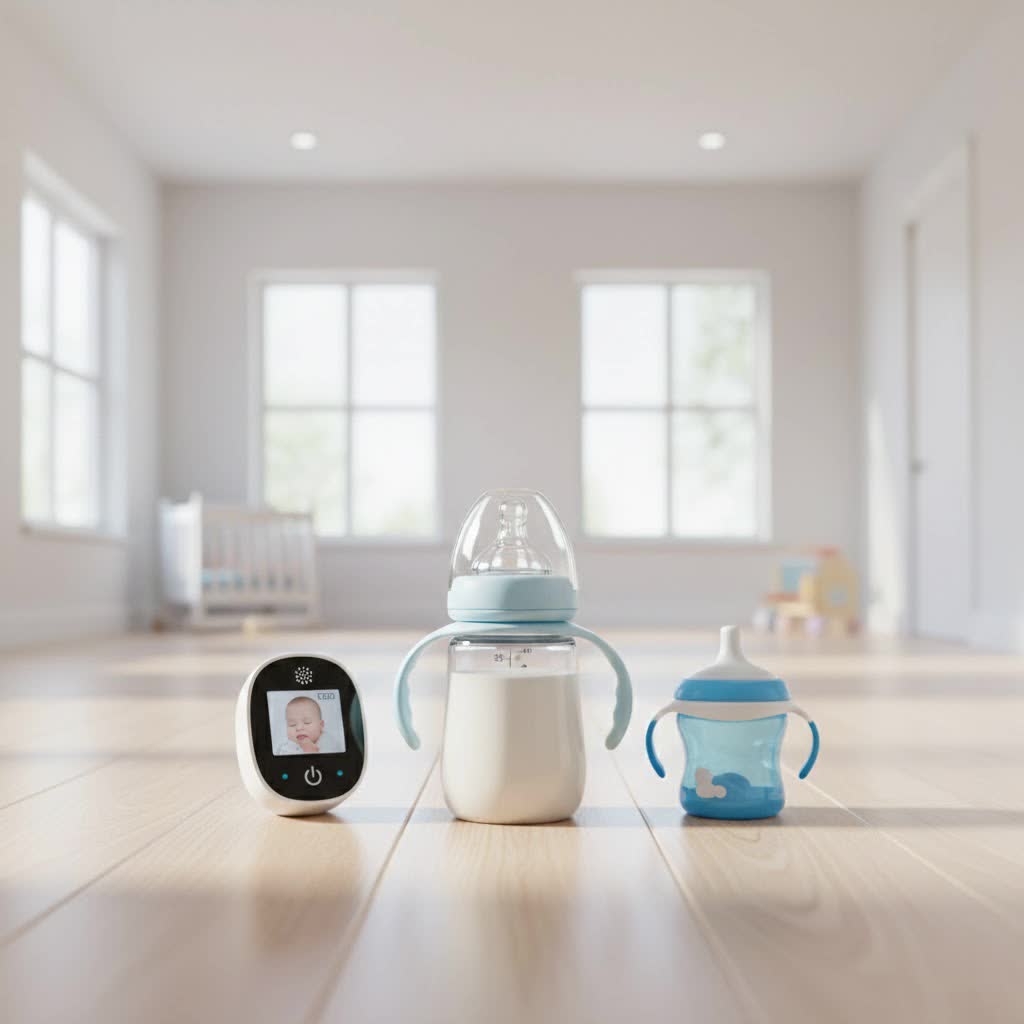
Choosing the right baby bottle can feel like navigating a complex maze. With countless options promising various benefits, it is easy for new parents to feel overwhelmed. Philips Avent has long been a trusted name in baby care, offering a range of bottles designed to meet diverse feeding needs. This guide delves into the world of Philips Avent baby bottles, exploring their key features, helping you understand the differences between their popular lines, and empowering you to make the best choice for your little one’s comfortable and healthy development.

Philips Avent Baby Bottles: An Overview
Philips Avent stands out for its commitment to creating innovative products that support both babies and parents through their feeding journey. Inspired by nature and backed by research, their bottles are crafted with babies’ comfort and health in mind. At the core of their offerings are two primary lines: the Natural Response and the Anti-Colic bottles, each designed with specific features to address different feeding preferences and concerns. All Philips Avent Bottles are made from BPA-free materials, ensuring safety and peace of mind. Their ergonomic designs make them comfortable for both infants to hold as they grow and for parents during feeding times. A wide neck design across their range also simplifies cleaning and assembly, a small but significant detail appreciated by busy caregivers.
Diving Deeper: Philips Avent Natural Response Bottles
The Philips Avent Natural Response bottle line is engineered to closely mimic the experience of breastfeeding. This design philosophy aims to facilitate an easy transition between breast and bottle, a common need for many families.
Design & Philosophy: Mimicking the Breast
|
Our Picks for the Best Baby Bottle in 2026
We may earn a commission when you use one of our links to make a purchase.
|
||
| Num | Product | Action |
|---|---|---|
| 1 | Dr. Brown's Natural Flow Anti-Colic Options+ Narrow Baby Bottle, 8 oz/250 mL, with Level 1 Slow Flow Nipples, 0m+, 4 Pack |

|
| 2 | Philips Avent Natural Glass Baby Bottles with Natural Response Nipples (Slow Flow, Flow 2), 4oz, 4-Pack, SCY910/04 |
|
| 3 | Philips Avent Natural Baby Bottles with Natural Response Nipples (Slow Flow, Flow 2), 4oz, 4-Pack, SCY900/04 |
|
| 4 | Philips Avent Natural Glass Baby Bottles with Natural Response Nipples (Medium Flow, Flow 3), 8oz, 4-Pack, SCY913/04 |
|
| 5 | Philips Avent Natural Baby Bottles with Natural Response Nipples (Medium Flow, Flow 3), 9oz, 4-Pack, SCY903/04 |
|
| 6 | Dr.isla PPSU Learn-to-Drink Transition Sippy Cups with Leakproof Air Vent, Gravity Straw & Handles, 2 Lids for Babies & Toddlers 6–36 Months,9oz |
|
| 7 | Comotomo Baby Bottle Double Pack, Green, 8oz |
|
| 8 | mushie Soft Spout Sippy Cup 10 fl oz - 6 Months+ (Dried Thyme) |
|
| 9 | Dr. Brown's Natural Flow Anti-Colic Options+ Narrow Baby Bottle, 4 oz/120 mL, with Level 1 Slow Flow Nipple, 0m+, 4 Pack |
|
| 10 | Dr. Brown's Natural Flow Anti-Colic Options+ Narrow Glass Baby Bottle 8 oz/250 mL, with Level 1 Slow Flow Nipple, 4 Pack, 0m+ |
|
At the heart of the Natural Response bottles is a wide, breast-shaped nipple with a unique petal design. This structure encourages a natural latch, similar to how a baby latches onto the breast. The nipple’s flexibility and softness ensure a comfortable and familiar feel for the baby, which can be crucial for minimizing nipple confusion, especially for breastfed infants.
Nipple Technology: Active Drinking
A key innovation in the Natural Response nipple is its “no-drip” design. Milk flows only when the baby actively suckles, pauses, and swallows, much like during breastfeeding. This allows babies to control the pace of their feed, promoting a more natural drinking rhythm and preventing milk from flowing too quickly, which can lead to discomfort or overfeeding. This feature is particularly beneficial for combination feeding, where babies switch between breast and bottle. The nipple also integrates an anti-colic valve designed to vent air away from the baby’s tummy, helping to reduce gas and fussiness.
Materials: Plastic vs. Glass
Philips Avent Natural Response bottles are available in both durable, BPA-free plastic and premium pharmaceutical-grade glass.
- Plastic bottles are lightweight, shatter-resistant, and ideal for travel or older babies who may hold their own bottles.
- Glass bottles offer a pure, chemical-free option and are highly durable, resistant to temperature changes, and easy to sterilize without retaining odors or stains.
Pros & Cons of Natural Response Bottles
Pros:
- Mimics natural breastfeeding, ideal for mixed feeding.
- “No-drip” nipple allows baby to control feed pace.
- Wide neck for easy cleaning.
- Integrated anti-colic valve.
- Available in plastic and glass.
Cons:
- Some babies, especially those used to faster flows, may initially find the active drinking mechanism challenging or perceive the flow as too slow, even at higher nipple stages. This often requires parents to size up nipples sooner than the suggested age range.
Tackling Tummy Troubles: Philips Avent Anti-Colic Bottles
For babies prone to colic, gas, or reflux, the Philips Avent Anti-Colic bottle range offers a targeted solution designed to reduce the air babies ingest during feeding.
Purpose: Reducing Gas, Colic, and Reflux
The primary goal of the Anti-Colic bottles is to minimize feeding issues that cause discomfort. Colic, characterized by prolonged, intense crying, is often linked to air swallowed during feeding, leading to gas and tummy pains. These bottles aim to mitigate these problems.
Vent System: AirFree Vent
The standout feature of the Philips Avent Anti-Colic bottles is their unique AirFree vent system. This innovative vent is designed to draw air away from the nipple, keeping it full of milk even when the bottle is horizontal. This helps prevent babies from swallowing air bubbles, which are a major cause of gas, spit-up, and colic. The AirFree vent is typically a separate insert that can be easily assembled and cleaned.
Nipple Shape: Classic
The Anti-Colic bottles typically feature a classic nipple shape, designed for consistent milk flow. While not explicitly breast-shaped like the Natural Response nipples, they are still soft and flexible to promote comfortable feeding.
Pros & Cons of Anti-Colic Bottles
Pros:
- Highly effective in reducing gas, colic, and reflux symptoms by minimizing air ingestion.
- Nipple stays full of milk, reducing air intake.
- Clinically proven to reduce fussiness.
Cons:
- The AirFree vent system has additional parts, which means slightly more components to clean compared to the Natural Response bottles.
- Primarily offered in plastic, though some components may be compatible with other Avent bottles.
Avent Nipple Flow Rates: Finding Your Baby’s Pace
Philips Avent provides a range of nipple flow rates, typically numbered from 0 (preemie) or 1 (newborn) up to 6 (fast flow), and some specialized “Y-cut” or “vari-flow” options for thicker liquids. However, it is crucial to understand that these age recommendations are merely guidelines. Every baby is unique, and their feeding pace can vary significantly.
Instead of strictly adhering to age-based recommendations, parents should observe their baby’s cues:
- Is your baby struggling to get milk out? They might be collapsing the nipple or showing frustration. This indicates the flow might be too slow, and it is time to size up.
- Is your baby gulping, coughing, or dribbling excessively? The flow might be too fast, leading to discomfort or choking. Consider sizing down or using a slower-flow nipple if they are typically a fast eater.
- Are feedings taking excessively long, or is your baby falling asleep before finishing? This could also suggest the flow is too slow, and your baby is expending too much effort.
Philips Avent encourages parents to choose a nipple flow that complements their baby’s eating style. For instance, an enthusiastic, fast eater might benefit from a slightly slower flow to prevent them from “waterboarding” themselves, while a more gentle or slower eater might need a faster flow to get enough milk without tiring out.
Choosing the Right Avent Bottle for Your Baby
Selecting the perfect Philips Avent bottle involves considering your baby’s individual needs and your family’s lifestyle.
-
Feeding Style:
- Breastfed or Mixed Feeding: If you plan to breastfeed and occasionally bottle-feed, the Natural Response bottles are often recommended due to their breast-like nipple and active drinking mechanism, which helps minimize nipple confusion.
- Formula-fed: Both Natural Response and Anti-Colic bottles are suitable. The choice often hinges on whether your baby experiences colic or gas.
-
Addressing Concerns (Colic, Gas, Reflux): If your baby frequently experiences fussiness, gas, or reflux, the Philips Avent Anti-Colic bottles with the AirFree vent are specifically designed to alleviate these issues by preventing air ingestion.
-
Age and Developmental Stage: While nipple flow rates have age suggestions, prioritize your baby’s feeding behavior. Newborns often start with a slower flow (size 1 or 2), but many parents find their babies need to move to a higher flow (size 3 or 4) earlier than indicated on the packaging.
-
Material Preference:
- Glass bottles are excellent for purity, durability, and ease of cleaning without retaining odors. They can be heavier and are prone to breaking if dropped.
- Plastic bottles are lighter, more durable against drops, and often more budget-friendly. Ensure they are always BPA-free.
Care and Maintenance of Avent Bottles
Proper care ensures hygiene and extends the life of your Philips Avent bottles.
- Cleaning: The wide neck design of Avent bottles makes them easy to clean thoroughly with a brush. Disassemble all parts (bottle, nipple, ring, cap, AirFree vent if applicable) before washing.
- Sterilization: Sterilize bottles and nipples regularly, especially for newborns. This can be done by boiling, using a steam sterilizer, or a microwave sterilizer. Follow the manufacturer’s instructions for your chosen method.
- Nipple Replacement: Replace nipples every 2-3 months, or sooner if they show signs of wear, discoloration, or stickiness. A damaged nipple can affect flow and hygiene.
Expert and Parent Insights on Avent Bottles
Across online forums and expert reviews, Philips Avent bottles consistently receive praise for their thoughtful design and effectiveness, particularly the Natural Response line for its breast-like experience. Many parents appreciate the ease of cleaning due to the wide openings and the durability of both the plastic and glass options.
However, a recurring theme in parent feedback is the highly individual nature of bottle preference. What works perfectly for one baby might not for another. Some babies adapt immediately to the Natural Response nipple, while others, particularly those accustomed to a faster flow, may struggle and require a quicker transition to a higher flow nipple size. For colicky babies, the Anti-Colic system with its dedicated vent often proves to be a game-changer, significantly reducing discomfort. Ultimately, Philips Avent provides robust, well-designed options, but readiness to experiment with nipple flows and observe your baby’s unique feeding style is key to success.
Conclusion
Navigating the world of baby bottles can be a significant part of your parenting journey, but with Philips Avent, you have reliable choices designed with your baby’s well-being in mind. Whether you opt for the breast-like experience of the Natural Response bottles or the specialized anti-colic features, understanding the unique benefits of each can help you choose wisely. Remember, your baby’s cues are your most valuable guide. By observing their feeding behavior and comfort, you can select the Philips Avent bottle that best supports their healthy growth and brings peace to every feeding moment.
What has been your experience with finding the perfect bottle for your little one?
Frequently Asked Questions
Are Philips Avent Natural and Anti-Colic nipples interchangeable?
No, Philips Avent Natural (now Natural Response) and Anti-Colic (formerly Classic) nipples are generally not interchangeable due to differences in their design and venting systems. Each bottle line requires its corresponding nipple type to function optimally and prevent leaks.
How often should I replace Philips Avent bottle nipples?
It is recommended to replace Philips Avent bottle nipples every 2-3 months for hygiene and safety reasons, or sooner if you notice any signs of wear and tear, such as stickiness, discoloration, cracks, or an enlarged hole that causes milk to flow too quickly.
Can Philips Avent bottles be used with other Philips Avent products?
Yes, Philips Avent bottles are designed to be largely compatible across the Avent range. This means you can often use the same bottle bodies with Philips Avent breast pump components, storage lids, and sippy cup spouts, offering a versatile system that grows with your baby.