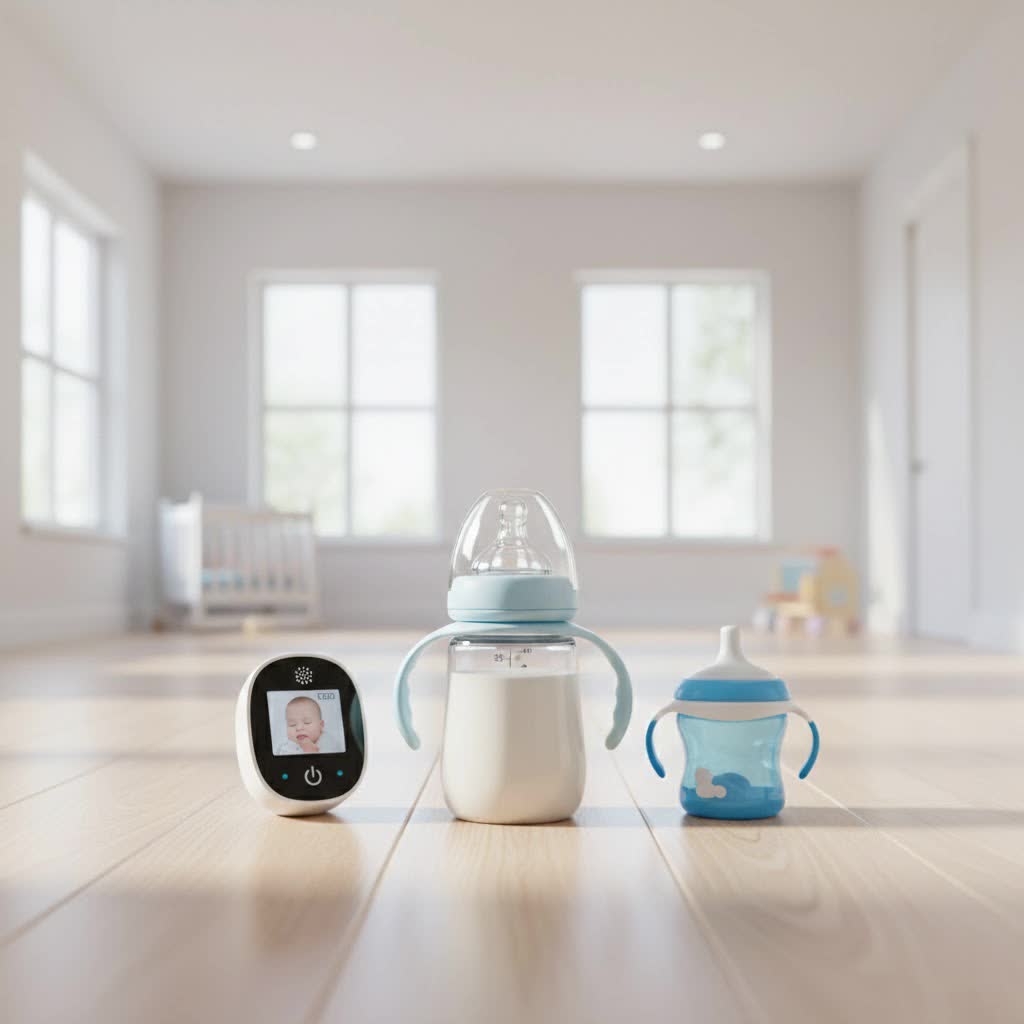
Navigating the world of baby bottles can feel like a labyrinth, filled with countless choices and conflicting advice. Yet, for many parents, the Philips Avent Glass Natural baby bottle stands out as a beacon of reliability and thoughtful design. With a heritage of prioritizing infant health and development, Philips Avent offers a glass option that promises purity, durability, and a feeding experience designed to mimic nature. This comprehensive guide will delve into every aspect of this popular glass baby bottle, exploring its features, benefits, and important considerations to help you determine if it’s the perfect fit for your little one.
Why Choose Glass Baby Bottles?
Before diving into the specifics of Philips Avent, it’s essential to understand the inherent advantages of glass baby bottles themselves. In a market dominated by plastic, glass offers a compelling alternative rooted in safety and longevity.
Glass bottles eliminate concerns about chemicals like BPA, phthalates, and PVC leaching into your baby’s milk, especially when heated. This makes them a preferred choice for parents seeking the purest feeding experience. Beyond chemical safety, glass is remarkably durable and resistant to scratches, odors, and stains. Unlike plastic, it won’t degrade over time, become cloudy, or retain odors from previous feeds. Glass bottles can withstand repeated sterilization cycles, high temperatures, and dishwashing without compromising their structural integrity or appearance. From an environmental perspective, glass is endlessly recyclable and reusable, making it a more sustainable choice for eco-conscious families.
Deconstructing the Philips Avent Natural Glass Bottle
The Philips Avent Natural Glass bottle is engineered with both baby and parent in mind, combining robust materials with innovative features.
At its core, the bottle is crafted from high-quality borosilicate glass, renowned for its thermal shock resistance and strength. This means it can safely transition from freezer to warmer without cracking, offering peace of mind for busy parents. Its ergonomic design features a comfortable grip for both you and your baby, even the smaller 4oz size.
A cornerstone of the Philips Avent Natural line is its unique nipple design. The soft, breast-shaped silicone nipple is designed to promote a natural latch, making it easier for babies to switch between breast and bottle. Inside the nipple, a distinctive petal design enhances softness and flexibility without nipple collapse, ensuring an uninterrupted feed. The integrated anti-colic twin valve venting system is engineered to vent air into the bottle rather than your baby’s tummy, aiming to reduce gas, discomfort, and spit-up. The newer “Natural Response” nipples further refine this, allowing milk to flow only when the baby actively sucks, mimicking the natural rhythm of breastfeeding.
Ease of use extends to assembly and cleaning. With just four main parts – the bottle, nipple, collar, and travel cap – preparing and cleaning the Philips Avent Glass Bottle is refreshingly straightforward. The wide neck design makes filling and scrubbing simple, minimizing the effort required for daily maintenance. These bottles are also compatible with Philips Avent breast pumps, allowing mothers to pump directly into the glass bottle, reducing the need for transferring milk and extra washing. They are safe for various sterilization methods, including boiling, steaming, and dishwashing.
Pros and Cons: An Honest Look
Like any baby product, the Philips Avent Glass Natural bottle has its strengths and potential drawbacks. Understanding these can help you make an informed decision.
Pros:
- Exceptional Durability: The borosilicate glass is highly resistant to thermal shock and breakage from everyday drops, offering a long-lasting and safe feeding solution.
- Pure and Chemical-Free: Made from premium glass, it ensures that your baby’s milk remains free from harmful chemicals.
- Easy to Clean and Sterilize: The wide neck and minimal components simplify cleaning, and the glass material can withstand high-heat sterilization without degrading.
- Anti-Colic Design: The built-in twin valve venting system is effective in reducing air ingestion, potentially easing colic symptoms and discomfort.
- Breast-Like Latch: The Natural and Natural Response nipples are designed to encourage a wide, natural latch, which can be beneficial for breastfed babies.
- Ergonomic Grip: The bottle’s shape is comfortable for parents to hold and, for older babies, easy for tiny hands to grasp.
- Versatile: Compatible with Philips Avent breast pumps for direct pumping and storage, enhancing convenience.
Cons:
- Heavier than Plastic: As expected, glass bottles are notably heavier than their plastic counterparts, which might be a consideration for some parents or for babies learning to hold their own bottles.
- Nipple Flow Challenges: A common feedback point is that the nipple flow, particularly in lower sizes (P, 0, 1), can be very slow. This may lead to longer feeding times, baby fatigue, or frustration for some infants. Many parents find they need to size up sooner than the age recommendations suggest.
- Potential for Leaks: While the anti-colic system is generally effective, some users report occasional leaks if the nipple vent isn’t perfectly aligned or if the collar is cross-threaded during assembly.
- Plastic Collar Wear: The plastic rings and collars, over extensive use and cleaning, can sometimes wear down or cross-thread on the glass, potentially contributing to leaks.
- Nipple Latch Style: For some babies, the specific shape of the Natural nipple might encourage a slightly narrower latch, which may not be ideal for all infants, especially those transitioning between breast and bottle.
Choosing the Right Nipple Flow: Philips Avent’s Approach
Selecting the correct nipple flow is crucial for a comfortable and effective feeding experience. Philips Avent offers a range of flow rates, traditionally numbered from 0 (preemie) to 5 (fast flow), and more recently, a “pace-based” system for Natural Response nipples.
Philips Avent’s philosophy for the Natural Response nipples moves away from strict age-based recommendations. Instead, it encourages parents to observe their baby’s feeding style. An enthusiastic, fast eater might benefit from a slower flow to prevent choking, while a slower or “lazier” eater might need a faster flow to ensure adequate milk intake without excessive effort.
However, a significant number of parents find that Philips Avent nipples tend to have a slower flow compared to other brands. It’s not uncommon for babies to require a size 2 or even 3 nipple as newborns to avoid frustration and overly long feeding sessions. You’ll know the flow is right if your baby feeds comfortably, without gulping, sputtering, or milk leaking from their mouth, and finishes a feed within a reasonable time (typically 15-20 minutes). If your baby is struggling, becoming sleepy mid-feed from exertion, or showing signs of frustration, consider trying a higher flow nipple.
Care and Maintenance for Your Glass Bottles
Proper care ensures the longevity and hygiene of your Philips Avent Glass Natural bottles.
Cleaning: Before first use and after every feed, disassemble all parts of the bottle. Wash them thoroughly in warm, soapy water, ensuring all milk residue is removed. Rinse thoroughly under running water. If using a brush for the nipple, clean it gently to prevent damage.
Sterilization: After cleaning, sterilize the parts. You can achieve this by boiling them in a saucepan of water for 5-10 minutes (ensuring glass parts do not touch the bottom or sides of the pot to prevent damage or overheating). Alternatively, use a Philips Avent sterilizer according to its instructions, or place them in the dishwasher (top rack recommended), avoiding a heated drying cycle. Always wash your hands thoroughly before handling sterilized components.
Troubleshooting Leaks: If you experience leaks, check a few key things. Ensure the nipple and collar are assembled correctly and the collar is screwed on firmly but not excessively tight, which can sometimes interfere with the vent. Also, verify that the anti-colic vent in the nipple is clear and, for certain designs, oriented upwards during feeding. Regular inspection of the plastic rings for wear and tear can also prevent future leaks.
Nipple Replacement: It’s generally recommended to replace nipples every three months or sooner if you notice any signs of wear, stickiness, discoloration, or damage. Different flow rates are available, and you might need to adjust the nipple size as your baby grows and their feeding needs change. Store nipples in a dry, covered container away from direct sunlight or heat.
Expert Insights & User Experiences
Across the board, parents and experts appreciate the inherent safety and durability of Philips Avent glass bottles. Their ability to withstand drops, high temperatures, and frequent washing without degrading is a major plus. The ease of cleaning due to minimal parts and a wide neck also consistently receives high marks.
“The best bottle for your baby is ultimately the one they accept and thrive with,” says a seasoned lactation consultant. “While bottle features are important, a baby’s individual preference for nipple shape and flow is paramount. Don’t be afraid to experiment to find the right combination.”
However, the experience with the nipple flow can be polarizing. Many parents rave about how the Natural Response nipple mimics breastfeeding, allowing their babies to control the pace of milk flow. Yet, others find the default flows too slow, leading to frustrated babies and extended feeding times, often necessitating an immediate jump to higher flow nipples even for newborns. This highlights the importance of observing your baby’s cues rather than strictly adhering to age guidelines.
Alternatives and Adaptability
If your baby loves the Philips Avent glass bottle but struggles with the nipple, you’re not out of options. The wide neck design of Avent glass bottles allows for a degree of adaptability. Some parents find success by using third-party collars or rings that enable them to pair their Avent glass bottles with nipples from other brands, such as Lansinoh or Evenflo, which might offer a different flow or shape that better suits their baby’s needs. This allows you to retain the benefits of the durable, chemical-free glass bottle while customizing the feeding experience for your little one.
Conclusion
The Philips Avent Glass Natural baby bottle offers a compelling blend of safety, durability, and thoughtful design for parents seeking a high-quality feeding solution. Its borosilicate glass construction provides peace of mind regarding chemical exposure and withstands the rigors of daily use, while the wide neck and minimal parts simplify cleaning and maintenance. The anti-colic system and breast-shaped nipples are designed to support a comfortable and natural feeding experience.
However, the journey to finding the perfect bottle is highly individual. While many babies flourish with the Philips Avent system, others may require experimentation, particularly with nipple flow rates. The key is to observe your baby’s unique feeding cues and adapt accordingly. By considering the features, benefits, and common considerations of the Philips Avent Glass Natural bottle, you’re well-equipped to make an informed decision for your little one’s nutritional journey. What unique feeding challenges or triumphs have you experienced, and how might the right bottle make a difference for your family?
FAQ
Are Philips Avent glass bottles prone to breaking?
|
Our Picks for the Best Baby Bottle in 2026
We may earn a commission when you use one of our links to make a purchase.
|
||
| Num | Product | Action |
|---|---|---|
| 1 | Dr. Brown's Natural Flow Anti-Colic Options+ Narrow Baby Bottle, 4 oz/120 mL, with Level 1 Slow Flow Nipple, 0m+, 4 Pack |

|
| 2 | mushie Soft Spout Sippy Cup 10 fl oz - 6 Months+ (Dried Thyme) |
|
| 3 | Philips Avent Natural Baby Bottles with Natural Response Nipples (Medium Flow, Flow 3), 9oz, 4-Pack, SCY903/04 |
|
| 4 | Dr. Brown's Natural Flow Anti-Colic Options+ Narrow Glass Baby Bottle 8 oz/250 mL, with Level 1 Slow Flow Nipple, 4 Pack, 0m+ |
|
| 5 | Comotomo Baby Bottle Double Pack, Green, 8oz |
|
| 6 | Philips Avent Natural Glass Baby Bottles with Natural Response Nipples (Slow Flow, Flow 2), 4oz, 4-Pack, SCY910/04 |
|
| 7 | Philips Avent Natural Glass Baby Bottles with Natural Response Nipples (Medium Flow, Flow 3), 8oz, 4-Pack, SCY913/04 |
|
| 8 | Dr.isla PPSU Learn-to-Drink Transition Sippy Cups with Leakproof Air Vent, Gravity Straw & Handles, 2 Lids for Babies & Toddlers 6–36 Months,9oz |
|
| 9 | Dr. Brown's Natural Flow Anti-Colic Options+ Narrow Baby Bottle, 8 oz/250 mL, with Level 1 Slow Flow Nipples, 0m+, 4 Pack |
|
| 10 | Philips Avent Natural Baby Bottles with Natural Response Nipples (Slow Flow, Flow 2), 4oz, 4-Pack, SCY900/04 |
|
Philips Avent glass bottles are made from borosilicate glass, which is known for its durability and resistance to thermal shock and everyday impacts. While no glass is entirely unbreakable, they are designed to be quite robust and withstand typical drops from counter height without damage.
Can I use Philips Avent glass bottles with other brand nipples?
Yes, it is possible. While Philips Avent nipples are designed for their bottles, some parents use third-party collars or rings that fit the Avent glass bottles, allowing them to attach nipples from other brands like Lansinoh or Evenflo, which can be helpful if your baby has a specific nipple preference.
How often should I replace Philips Avent nipples?
It is generally recommended to replace Philips Avent nipples every three months. However, you should inspect them regularly for signs of wear, stickiness, discoloration, tears, or damage, and replace them sooner if any issues are observed.
Are Philips Avent Natural Response nipples good for breastfed babies?
The Philips Avent Natural Response nipples are specifically designed to mimic the breast, requiring active sucking for milk release. This can be beneficial for breastfed babies as it helps maintain a natural feeding rhythm and reduces the risk of nipple confusion.
How do I stop my Philips Avent glass bottle from leaking?
To prevent leaks, ensure all parts are assembled correctly and the plastic ring is screwed on firmly but not too tightly. Verify that the anti-colic vent in the nipple is clear and, for certain nipple designs, positioned upwards during feeding. Regularly check the plastic rings for wear.
Why is my baby struggling to feed from the Philips Avent Natural bottle?
If your baby is struggling, it’s often due to the nipple flow rate being too slow for their feeding style. Many parents find they need to use a higher flow nipple (e.g., size 2, 3, or even 4) for their baby, regardless of age recommendations, to ensure a comfortable and efficient feed.